

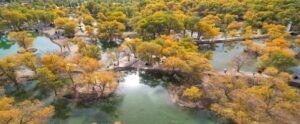
How to Book Hotels in China: Trip.com vs Booking.com vs Agoda
Compare Trip.com, Booking.com, and Agoda for hotel bookings in China. Learn about payment options, language barriers, and local coverage for foreign visitors.

How to Use Mobile Payments in China: A Step-by-Step Guide
Learn how to set up and use mobile payment apps in China, including Alipay and WeChat Pay, with practical tips for foreign travellers in 2026.

How to Book China Train Tickets: First-Class vs Second-Class Guide
Learn how to choose between first-class and second-class seats on China’s high-speed trains, understand luggage rules, and book tickets step-by-step.
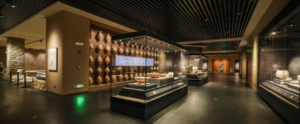
How to Use Smart Museums in China: Costs and Step-by-Step Guide
Discover how to explore China’s smart museums with AR/VR tech. Learn about costs, setup, and tips for an interactive cultural experience.

Why Google Maps Doesn’t Work in China: Best Navigation Apps
Learn why Google Maps is unreliable in China and discover step-by-step solutions using Amap, Baidu Maps, and offline tools for seamless navigation.

How to Use a VPN in China: Setup, Costs, and Troubleshooting
Learn which VPNs work in China in 2026, how to install them before your trip, and steps to fix issues if your VPN fails during your visit.

How to Plan an RV Road Trip in China: New Policies Explained
Learn how China’s new RV tourism policies make road trips easier with dedicated routes, parking, and servicing facilities. Step-by-step guide for travellers.
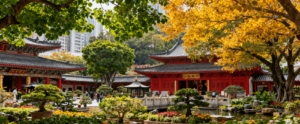
How to Survive Golden Week in China: Booking Tips and Crowd Hacks
Navigate China’s Golden Week with ease. Learn how to avoid crowds, book transport smartly, and find accommodation during peak travel periods.

How to Fly Drones Legally in China: Rules and Shooting Tips
Learn China’s drone regulations, licensing steps, restricted zones, and tips for legal photography in top locations. Avoid penalties with this guide.

How to Use Alipay and WeChat Pay in China: A Step-by-Step Guide
Learn how to set up and use Alipay and WeChat Pay as a foreign visitor in China. Step-by-step instructions, costs, and tips for smooth transactions.
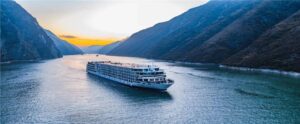
Yangtze River Cruise Routes: Step-by-Step Guide for Foreigners
Learn how to choose the best Yangtze River cruise route, ship class, and book tickets easily. Includes practical tips, prices, and booking tools.
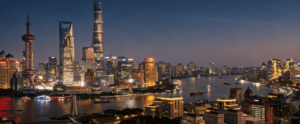
Shanghai Budget Travel Guide: Free Attractions and Cheap Eats
Discover free attractions, affordable dining, and transport tips to explore Shanghai on a budget. Save money while enjoying the city’s vibrant culture.

How to Communicate in China: Essential Offline Translation Apps
Navigate language barriers in China with top offline translation apps and practical hacks. Discover step-by-step solutions for seamless communication.

China’s Antarctic Law: Permits, Fines, and Travel Rules Explained
Learn how China’s new Antarctic law impacts travel permits, fines, and environmental compliance for polar expeditions. Step-by-step guide for visitors.
How to Monitor Air Quality in China: Best Apps and Travel Tips
Learn how to stay safe from pollution in China. Discover the best AQI apps, when to wear a mask, and the cleanest months to visit major cities.
How to Use Squat Toilets in China: A Practical Guide for Tourists
Learn why squat toilets are common in China, how to find Western-style toilets, and tips to prepare for using them during your trip.
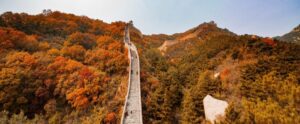
Weather in China in September: Best Places for Autumn Leaves
September is arguably the second-best time to visit China, right after October. Why? Because the intense summer heat of July and August is gone, schools are back in session, crowds shrink, and both attractions and hotels drop back to normal prices. It’s truly one of the best-value months to travel. But that doesn’t mean you should just show up without a plan. In this guide, you’ll find key weather tips and practical planning advice to help you enjoy a smoother and more rewarding trip. 1、How’s the Weather in China in September? Temperatures differ quite a bit from north to south. In the north, September is when autumn starts to set in — the weather becomes cooler, drier, and much more comfortable for sightseeing.In the south, it’s still warm. Not as hot as July and August, but you’ll still feel some heat until late September. Also note that some southern cities — like Shanghai and Guangzhou — can still get typhoons in September.Heavy rain might affect your outdoor plans for a day or two. When planning your trip, it’s a good idea to have a simple Plan B in case of weather-related delays. 2、Top 4 Places to Visit in China in

How to Use China’s 240-Hour Visa-Free Transit: Step-by-Step Guide
Learn how to navigate China’s 240-hour visa-free transit policy, including eligibility, application steps, and tips for making the most of your visit.

How to Register with Police in China: Step-by-Step Guide
Learn how foreign tourists can register with the police in China, why it’s required, and what to do if staying in private accommodation.
How Much Does a Trip to China Cost in 2026: Daily Budget Guide
Plan your 2026 China trip with this detailed daily budget guide for backpackers and mid-range travellers, including costs, tips, and payment solutions.
How to Plan a Self-Guided Trip to Shenzhen: Step-by-Step Guide
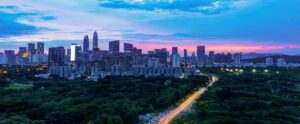
Learn how to navigate Shenzhen as a foreign visitor with this step-by-step guide, covering visa-free entry, transport, and must-see attractions.
Discover Luxury at the Four Seasons Hotel Shenzhen
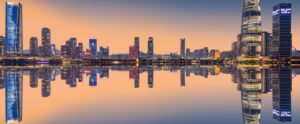
Experience modern elegance and world-class hospitality at the Four Seasons Hotel Shenzhen, located in the vibrant Futian District of southern China.
Exploring China: Visa-Free Travel Opportunities
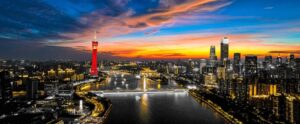
Discover China’s visa-free transit policies and rising tourism opportunities, making travel easier for global visitors to explore its culture and landscapes.
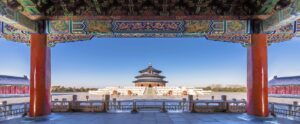
Exploring China: A New Era of Travel Awaits
Discover China’s expanded visa-free policies and iconic destinations, from historic landmarks to scenic hubs, perfect for global travellers.

Discover Jiangxi: Nature, Culture, and Adventure Await
Explore Jiangxi Province in China, a blend of natural beauty and cultural heritage. Perfect for rural escapes, outdoor activities, and ancient villages.
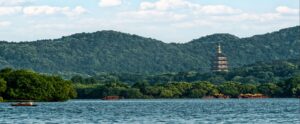
Exploring Modern China: A New Era of Inbound Tourism
Discover how China is transforming inbound tourism with visa-free policies, cultural workshops, and vibrant urban experiences beyond iconic landmarks.
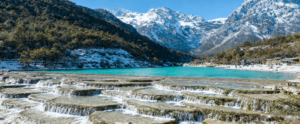
Discover the New Era of Travel to China: Visa-Free Policies
Explore China’s expanded visa-free policies and growing accessibility, making it easier for global travellers to visit its cultural and natural wonders.
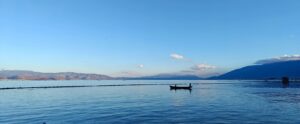
Escape the Heat: Why China is the Perfect Summer Destination
Discover China’s cool-weather retreats, cultural experiences, and modern innovations for a refreshing summer escape. Travel made easy with visa-free policies.
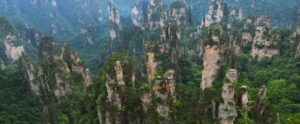
China’s Bold Tourism Vision: 190 Million Visitors by 2030
Discover China’s ambitious plan to welcome 190 million tourists annually by 2030, reshaping global travel with infrastructure and visa reforms.
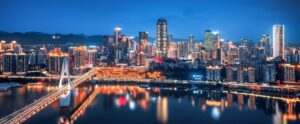
Exploring Modern China: Beyond the Great Wall
Discover how visa-free policies and cultural experiences are transforming inbound tourism in China, offering travellers a fresh perspective beyond landmarks.
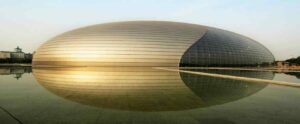
A Culinary Journey Through Summer at Four Seasons Hotel Beijing
Explore refined Cantonese techniques and international flavours at Four Seasons Hotel Beijing’s summer menus, perfect for food-loving travellers.

Exploring China’s Growing Appeal for International Visitors
Discover China’s enhanced visa policies and streamlined borders, making travel easier for international tourists in 2025.
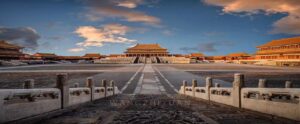
Exploring China: A New Era of Accessibility for Travellers
Discover how China is becoming more accessible with visa-free policies, improved facilities, and rising international connections for global visitors.

Exploring China: Visa-Free Travel and Borderless Adventures
Discover China’s expanded visa-free policies and seamless travel options, from vibrant cities to breathtaking landscapes, for international visitors.
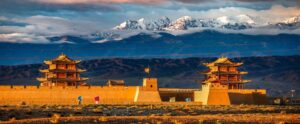
Exploring China: Gateway to Culture and Scenic Wonders
Discover China’s rich culture, iconic landmarks, and visa-free travel options, offering an unparalleled experience for international visitors.
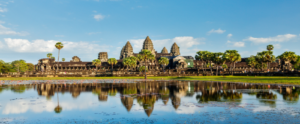
Cambodia’s Visa-Free Pilot for Chinese Travellers
Cambodia launches visa-free entry for Chinese nationals, aiming to boost tourism and attract visitors from its key international market.
British Travellers Can Now Explore China Visa-Free
British citizens can visit China visa-free for up to 30 days until 31 December 2026, simplifying travel to iconic destinations like the Great Wall and Shanghai.
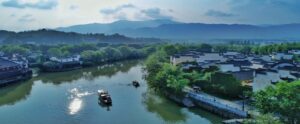
Discover Anhui Province: A Cultural Gem Inspired by The Heir
Explore Anhui Province’s Huizhou architecture, stunning landscapes, and rich heritage inspired by the hit drama The Heir.
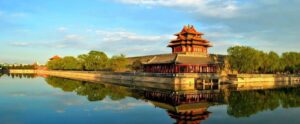
Beijing: Where Ancient History and Modern Energy Collide
Explore Beijing’s imperial palaces, hutongs, Great Wall, and modern skyline for a journey through history and innovation.
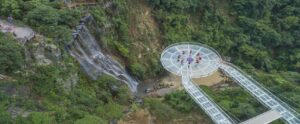
Discover Gulong Gorge: Nature and Adventure in Qingyuan
Explore Gulong Gorge in Qingyuan, Guangdong. Enjoy subtropical rainforests, glass walkways, and thrilling rafting near Guangzhou.

China National Floral Garden
Completed in 2001, the China National Flower Garden is located on the south bank of the Luo River in Luoyang, Henan Province. Covering 255 acres, it is China’s largest peony garden. The garden features approximately 500,000 “Nine-Color” peonies, as well as over 2 million plants of more than 1,000 other varieties. Among them, a century-old peony named “Flower Goddess,” standing 2 meters tall, is a major attraction. The best time to visit the China National Flower Garden is from April through early May. Visitors can admire the peonies, pavilions, lakes, hills, and the garden’s distinctive architecture. The garden seamlessly blends the history of the Sui and Tang dynasties (581–907), traditional imperial garden art, and the beauty of the peonies. Below are the main areas of interest. 1. Peony GardenThis area features the “Fire-Baked Peonies” and a plaza displaying a giant gourd and three golden balls. Legend has it that these peonies were born from the elixir of immortality refined by fire by the Taoist sage Laozi, hence the name “Fire-Baked Peonies.” 2. Qiuweng Pavilion and PeoniesThe design of this complex of pavilions and towers draws inspiration from the story of Qiuweng and the peonies. Qiuweng was a farmer who loved
Gulong Gorge, Qingyuan
Located in the Binjiang Grand Canyon of Qingxin District, Qingyuan City, Qingyuan Gulong Gorge is a National 4A-level Tourist Attraction, a National Sports Tourism Demonstration Base, and an international-standard rafting venue. Just 68 kilometers from Guangzhou and directly accessible via the Guangqing Expressway, it is the premier destination for short-distance trips in the Pearl River Delta and is renowned as the “Pioneer of Rafting in Qingyuan” and the “Premier High-Altitude Scenic Spot in Lingnan.” The scenic area boasts nearly 3,000 hectares of pristine subtropical rainforest with a forest coverage rate of 95%. The mountains are rich in negative oxygen ions, and the average annual temperature is 22°C. It serves as both a summer water park for cooling off and a natural forest oxygen bar for hiking and waterfall viewing throughout the year. Gulong Gorge Scenic Area. 1. Cloud Sky Glass Kingdom (Glass Grand Canyon · High-Altitude Attraction)Cloud Sky Glass Kingdom has set more than ten world records. It is the world’s first high-altitude sightseeing complex that combines a suspended glass platform, a glass suspension bridge, a cliffside walkway, and a glass sky mirror into a single experience. The entire glass trail spans 1,314 meters, symbolizing the romantic notion of “a
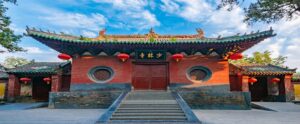
Shaolin Temple
The Shaolin Temple is located in the Songshan region of Dengfeng City, Henan Province, and is widely regarded as “the foremost temple under heaven.” The temple’s history dates back to the Northern Wei Dynasty (386–534 AD), and it has played a pivotal role in the development of Chinese Buddhism. In 2010, the Shaolin Temple was inscribed on the UNESCO World Heritage List as a site of both cultural and natural significance. It is the birthplace of Chinese Chan Buddhism and Shaolin martial arts (such as the Shaolin staff). The mountains are blanketed with wildflowers, the pine forests are lush, and the air is filled with the songs of birds and the fragrance of flowers, while streams flow gently—a vibrant and picturesque scene unfolds before your eyes. The Shaolin Temple features numerous fascinating attractions, such as the Hall of the Four Heavenly Kings, the Great Buddha Hall, the Pagoda Forest, the Dharma Cave, and the Martial Arts Training Center. Visitors can explore the temple using a virtual tour system. 1. The Mountain Gate HallThe first sight to catch your eye is the Mountain Gate Hall. A plaque hangs above the hall’s entrance, inscribed with the words “Shaolin Temple.” This plaque was
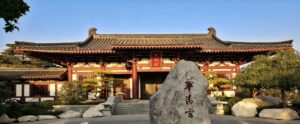
Huaqing Palace (Huaqing Pool)
Huaqing Palace (also known as Huaqing Hot Springs) is located about 30 kilometers (19 miles) east of Xi’an, not far from the Terracotta Army, at the foot of Mount Li. It is one of China’s four great imperial gardens and served as a vacation resort for members of the ancient imperial family.The original site, Liguang Palace, was first built during the reign of King You of the Western Zhou Dynasty (1046–771 BC) and was expanded by subsequent dynasties. Huaqing Palace is renowned not only for its hot springs but also for the romantic yet tragic love story between Emperor Xuanzong of the Tang Dynasty and his most favored concubine, Yang Yuhuan (Emperor Xuanzong reigned from 618 to 907). During his reign, Emperor Xuanzong spent vast sums of money expanding Huaqing Palace, transforming it into a luxurious palace. Almost every autumn, Emperor Xuanzong would bring Yang Yuhuan here to enjoy their time together, returning to the capital only the following spring. Before Yang Yuhuan was executed by Emperor Xuanzong’s order following a rebellion, they spent many blissful moments here. If you’re interested, you can watch the large-scale stage production *The Long Lament* at Huaqing Palace to learn about their love story.Upon
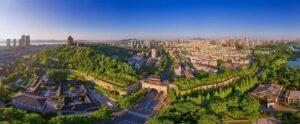
Nanjing City Wall
The Nanjing City Wall is one of the national key cultural relics protection units from the Ming Dynasty (1368–1644) and a masterpiece of ancient Chinese architecture. The wall originally had a circumference of approximately 35 kilometers (22 miles), stood 14–21 meters (46–67 feet) tall, and had a base width of about 14 meters (approximately 46 feet). The surviving sections of the wall stretch for about 21 kilometers (13 miles). Nanjing is one of the few cities in China that still retains its ancient city walls, which are in good condition, with most sections still standing today. Despite being approximately 600 years old, the Nanjing City Walls remain imposing and possess significant cultural heritage value. In 1366 AD, Zhu Yuanzhang, the founding emperor of the Ming Dynasty, accepted his chancellor’s advice and began construction of the Nanjing City Wall. After 21 years of arduous construction, the wall was completed in 1386. According to historical records, Zhu Yuanzhang ordered 118 counties across five provinces and twenty fiefdoms to produce bricks. Each brick weighed about 10 kilograms and measured 40–50 centimeters in length, 20 centimeters in width, and 10 centimeters in height. The names of the officials responsible for the bricks’ quality were
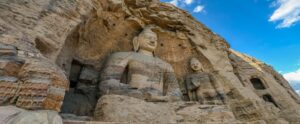
Yungang Grottoes
The Yungang Grottoes, one of China’s three major cave complexes, are located on the northern slope of Wuzhou Mountain in Datong City. Carved into the mountainside, the site stretches 1 kilometer (0.62 miles) from east to west and features 53 caves and more than 51,000 stone statues. The grottoes are divided into three sections: East, Central, and West. The eastern section is dominated by Buddhist pagodas; the western section consists of smaller caves, mostly niches; and the central section comprises caves with two chambers, front and back, with a Buddha statue enshrined in the center. The walls and ceilings of the caves are adorned with relief carvings. The grottoes were first constructed in 450 AD and are relics of the Northern Wei Dynasty (386–534). The caves draw inspiration from Indian Gandharan Buddhist art, and their sculptures blend traditional Chinese art with the social characteristics of the time. During the reign of Emperor Xiaowen, the monk Tan Yao was responsible for the construction of the Yungang Grottoes. The largest cave is Cave 6, which stands 20 meters high and features a 15-meter-tall pagoda-shaped stone pillar adorned with Buddhist figures and decorative patterns. A total of 33 reliefs are carved on the
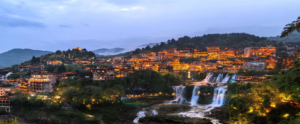
Furong Ancient Town
Furong Ancient Town, located about a 1.5-hour drive from Zhangjiajie, Hunan, is an ancient town with a history spanning more than 2,000 years. Surrounded by water on three sides and with a waterfall flowing through the town, it is known as the “Ancient Town of the Millennial Hanging Waterfall.” Its unique atmosphere, rich historical and cultural heritage, magnificent waterfall scenery, and enchanting night views attract countless visitors. Furong Town is home to the Tujia and Miao peoples, both of whom are ethnic minorities in China. The town boasts a serene and peaceful atmosphere, with traditional Tujia stilt houses dotted along the banks of the waterfall. The streets are lined with old shops selling traditional handicrafts—such as Tujia embroidery and Miao silver jewelry—as well as snacks and local specialties. 1. Furong WaterfallFurong Waterfall stands 60 meters (200 feet) tall and 40 meters (130 feet) wide. Located in the heart of Furong Ancient Town, it is a majestic and breathtaking sight, and the most striking attraction in the town. The Furong Waterfall Viewing Platform offers the best vantage point for viewing the waterfall. From there, visitors can enjoy a panoramic view of the entire ancient town. The roaring waterfall, with water spraying

Lake Sayram
Lake Sayram, often referred to as the “Pearl of the Silk Road,” is the largest alpine lake in Xinjiang. It is located approximately 90 kilometers (56 miles) southwest of Ürümqi in the Potala Prefecture. In Mongolian, “Sayram” means “lake on the ridge.” In Kazakh, “Sayram” means “blessing.” The lake is approximately 20 kilometers (12 miles) long from east to west and about 30 kilometers wide from north to south. It covers an area of approximately 454 square kilometers (about 175 square miles) and lies at an elevation of 2,073 meters (6,800 feet). Lake Selam is a veritable paradise, boasting breathtaking natural scenery. It lies like a dazzling emerald set in a basin embraced by the Tianshan Mountains, The water is crystal-clear, with flocks of ducks and swans gliding leisurely across the surface. Lush cypress and cedar trees cover the entire mountain range, while thatched cottages dot the foothills, and horses and flocks of sheep graze contentedly on the slopes, bleating softly. What a vivid and magnificent sight! Lake Selam is also home to a touching love story. Legend has it that the lake was formed by the tears of a young Kazakh couple. A beautiful girl and a handsome young
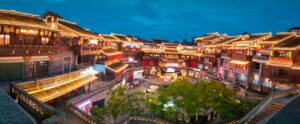
Ciqikou
Ci Qi Kou (Porcelain Village)Situated on the bank of the Jia Ling River, not far from its confluence with the mighty Yangtze is the ancient village of Ci Qi Kou, formerly known as Long Yin. Covering an area of some 291.6 acres (1.2 square kilometres), it is 9 miles (14 kilometres) to the west of Chongqing Municipality. Chongqing itself has undergone many changes over the centuries, changes that have not been reflected in Ci Qi Kou with the consequence that the village conveys an impression of what Chongqing would have been like in the distant past. This fact has been recognized by the State Council and in 1998 Ci Qi Kou became a protected cultural site. The history of Ci Qi Kou can be traced back for more than 1,700 years. During the Ming and Qing Dynasties (1368-1911), it was famous for its production of porcelain. To date, over twenty old kiln sites have been discovered there. It is because of the importance of the porcelain industry that the name has been changed from Long Yin to Ci Qi Kou which is translated as Porcelain Village. Moreover, the village was an important supply post for shipping on the river, a
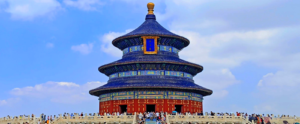
Temple of Heaven
Since its completion in 1420, the Temple of Heaven has served as the imperial site for sacrifices to Heaven. From its iconic blue-tiled roofs to its layout reflecting the ancient Chinese philosophy of “Heaven is round and Earth is square,” it stands as a masterpiece of ancient architectural design. This guide will take you on a tour of the must-see structures, explain their profound symbolism, and suggest the best route so you can both experience the Temple of Heaven’s solemn and sacred atmosphere and immerse yourself in its vibrant local culture. 1. History: When was the Temple of Heaven built? Why was it built?The Temple of Heaven was first constructed in 1420 during the Ming Dynasty. Initially, it was known as the “Altar of Heaven and Earth,” where sacrifices were offered to both the deities of heaven and earth. In 1530, the sacrificial rites were separated, and the site was renamed the Temple of Heaven. The iconic structure we see today took its final form in the 18th century, when the Hall of Prayer for Good Harvests was topped with its signature blue glazed tiles to better symbolize the sky.The Temple of Heaven serves three key functions, rooted in power,
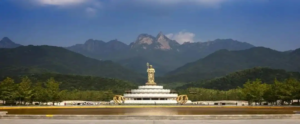
Mount JiuhuaShamian Island
Mount Jiuhua, also Jiuhuashan in Chinese, covers an area of 100 square kilometers (39 square miles) southwest of Qingyang County, Huangshan City, not far from the picturesque Huangshan Mountain. It boasts 99 peaks and 18 scenic spots in its area. With its marvelous landscape and pleasant climate, it is considered one of the best summer resorts in China. In addition to its popularity as a tourist destination, it is a holy site where Buddhists assemble– it has been established as one of the four sacred Buddhist shrines, along with Mount Wutai in Shanxi, Mt. Emei in Sichuan, and Mount Putuo in Zhejiang. According to historical records, Buddhism was first introduced to Mount Jiuhua in the year 401. In 719, a Korean monk named Jin Qiaojue arrived and practiced Buddhism here for 75 years. Upon his Nirvana in 794, Jin Qiaojue was respected as the Earth Buddha by the locals, hence it has become the place where religious rituals were held to worship the God of Earth. It has always been a place that attracts men of letters throughout the ages. The story goes that Libai (701-762), the famous poet of Tang Dynasty (618 -907), once came to visit Jiuhuashan. The
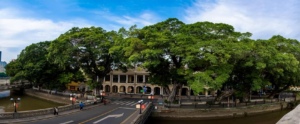
Shamian Island
Shamian Island, previous known as Zhongliusha or Shicuizhou, is an elliptic sandbar in the Liwan District of Guangzhou City, Guangdong Province. The island’s name literally means “sandy surface” in Chinese. Surrounded by water, it is just like a giant ship mooring alongside the wharf. Get further and one will find that Shamian Island is carefully planned. Three east-west avenues, Shamian Avenue, Shamian North Avenue and the South Avenue, and five north-south streets, Shamian Street 1 to the Street 5 divide the whole area into 12 parts, with various buildings, namely White Swan Hotel, Shamian Hotel, and Poland Consulate in Guangzhou, scattered around. 1.Visiting Historical BuildingsShamian Island has great historic significance. From the Song (960 – 1279) and the Qing Dynasty (1644 – 1911), it served as an important port for Guangzhou’s foreign trade. Then, it became a strategic point for city defense during the second Opium Wars (1856-1860). In 1859, the territory was divided into two concessions, given to France and United Kingdom (of which 4/5 went to the British and 1/5 to the French). It was then embanked and provided with streets, drainage, and imposing buildings and became home to a prosperous foreign enclave. From the late 1800s to
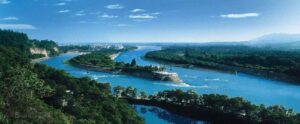
Dujiangyan
Dujiangyan Irrigation System is honored as the ‘Treasure of Sichuan’, which still plays a crucial role in draining off floodwater, irrigating farms and providing water resources for more than 50 cities in the province. In China, Chengdu is always praised as the Tian Fu Zhi Guo, which means ‘Nature’s Storehouse’. Over 2,200 years ago, the city was threatened by the frequent floods caused by flooding of the Minjiang River (a tributary of the Yangtze River). Li Bing, a local official of Sichuan Province at that time, together with his son, decided to construct an irrigation system on the Minjiang River to prevent flooding. After a lengthy study and a lot of hard work by the local people, the great Dujiangyan Irrigation System was completed. Since then, the Chengdu Plain has been free of flooding and the people have been living peacefully and affluently. Dujiangyan is the oldest and only surviving no-dam irrigation system in the world; and a wonder in the development of Chinese science. The project consists of three important parts, namely Yuzui, Feishayan and Baopingkou scientifically designed to automatically control the water flow of the rivers from the mountains to the plains throughout the year. Yuzui, like a
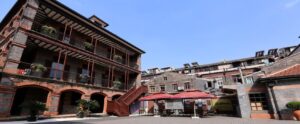
Shanghai Museum of Jewish Refugees
The Shanghai Jewish Refugees Memorial Museum, located on Changyang Road in Hongkou District, was established to commemorate the history of Jewish refugees who sought shelter there to escape the Holocaust during World War II. The museum is housed within the former Ohr Moshe Synagogue, which once served as a place of worship for Jewish refugees. The museum’s collection includes a large number of religious texts and other cultural artifacts.The Ohr Moshe Synagogue (the prototype of the Shanghai Jewish Refugees Memorial Hall) was built in 1927 and also served as the headquarters of a Jewish youth organization. Between 1937 and 1941, Shanghai accepted 25,000 Jewish refugees, becoming the only major international metropolis in the world at that time that did not turn away Jews. The number of Jewish refugees accepted by Shanghai was equivalent to the total number accepted by Australia, New Zealand, Canada, India, and South Africa combined. As a result, the Ohel Moshe Synagogue became a symbol of “rescue” and “sanctuary.” Around the former Ohel Moshe Synagogue, Jews once lived in freedom and peace. From the end of World War II through the 1960s, many Jews left China and gradually settled in various parts of the world. Yet they
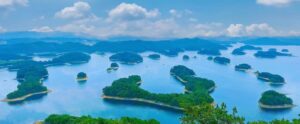
Thousand Island Lake
Thousand Islets Lake (Qiandao Lake)Did you ever want to escape from the bustling metropolis? Come to Thousand Islets Lake and experience something special.With 81% of the area covered in forests, Thousand Islets Lake (Qiandao Lake) is a pure lake with clean, fresh air. It is a young lake formed in 1959 as a result of the construction of New Anjiang Hydroelectric Power Station. It is a beautiful lake with 1,078 islets showing different views in different seasons. It is a rich lake abounding with fish and surrounded by trees, tea, mulberry (the food of the silkworm) and other fruit trees. Qiandao Lake is also a delightful lake with many activities including enjoying the natural scenery and local culture, observing wild animals and taking part in many exciting activities. Thousand Island Lake is located in Chun’an County, approximately 150 kilometers (93 miles) west of Hangzhou and 140 kilometers (87 miles) southeast of Mount Huangshan. It is a shining gem on the classic “Golden Route” connecting Hangzhou, Thousand Island Lake, and Mount Huangshan, and is renowned worldwide. Thousand Island Lake is renowned for its emerald-green mountains, crystal-clear waters, unique caves, and bizarre rock formations. The famous Nongfu Spring water brand is sourced
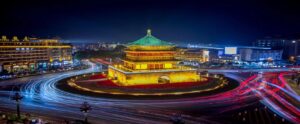
Xi’an Bell Tower
1. Overview of the Xi’an Bell TowerLocation: Downtown Xi’anHeight: 36 meters (118 feet)Year built: 1384Number of floors: 2Number of eaves: 3 2. Landmarks in Downtown Xi’anThe Bell Tower is a majestic traditional structure that marks the geographical center of the ancient capital of Xi’an. Four major avenues radiate out from this important landmark—east, south, west, and north—connecting the Bell Tower to the East, South, West, and North Gates of the ancient city walls. 3. The Largest and Best-Preserved Structure of Its Kind in ChinaIn 1384, Zhu Yuanzhang of the Ming Dynasty (1368–1644) ordered the construction of a bell tower to mark the hours, monitor the surrounding countryside, and serve as an early warning against enemy invasions. Today, this square, wooden bell tower is the largest and best-preserved structure of its kind in China.It stands atop a square brick base measuring 35.5 meters on each side and 8.6 meters in height, with a 6-meter-high archway on each side of the base. In the past, vehicles could pass through these archways, but as the city developed and traffic volume increased, a spacious and well-lit pedestrian underpass was constructed beneath the bell tower. The entrance to the bell tower is located within this
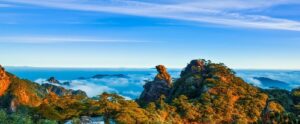
Mount Sanqing
Sanqingshan is located in the northeastern part of Shangrao City, Jiangxi Province, and was inscribed on the World Heritage List at the 32nd Session of the UNESCO World Heritage Committee held on July 6, 2008. In addition, it has been designated as a National Key Scenic Area, a National AAAA-Level Tourist Area, a National Natural Heritage Site, and a National Geopark. Mr. Paul, President of the National Parks Foundation of the United States, remarked, “Sanqingshan is one of the world’s few gems and treasures.” *National Geographic China* magazine has named it one of “China’s Five Great Mountains,” and geologists from both China and the United States agree that it boasts “the most spectacular granite along the western Pacific coast.” Sanqingshan is located 144 kilometers (89.48 miles) east of Quzhou City, Zhejiang Province; 78 kilometers (48.47 miles) west of Shangrao City; 115 kilometers (62.1 miles) south of Wuyishan City, Fujian Province; and 263 kilometers (163.42 miles) north of Huangshan City, Anhui Province. The scenic area covers a total of 220 square kilometers (84.89 square miles), with the main scenic area spanning 71 square kilometers (27.41 square miles). Yushan County is the closest county to Sanqing Mountain. The three peaks—Yujing, Yuxu, and
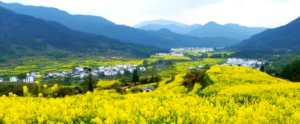
Wuyuan
Chinese Name: WuyuanPopulation: 376,419Area: 2,967 square kilometers (1,146 square miles)Location: Western Jiangxi Province, eastern China 1. Highlighting the Sea of Rapeseed Flowers and Huizhou-style Architecture Wuyuan County is located in the northeastern corner of Jiangxi Province in eastern China, bordering Jingdezhen to the west, Quzhou to the east, Huangshan to the north, and Sanqing Mountain to the south. Rolling hills stretch from the highlands in the northeast down to the lowlands in the southwest. It is no exaggeration to say that Wuyuan is the most beautiful place in Jiangxi. Ancient architecture from the Ming and Qing dynasties is scattered throughout the countryside, and the pastoral scenery is breathtaking, especially the sea of rapeseed flowers. Every March, the rapeseed fields in Xiongling Village blanket the hills, and a 300-meter-long boardwalk or cable car offers visitors a unique flower-viewing experience. The Huizhou-style architecture from the Ming and Qing dynasties was built in accordance with the terrain, arranged in a terraced, fan-shaped pattern, exuding a simple yet elegant charm. In autumn, the vibrant rapeseed flowers blooming on the rooftops add a burst of vitality to the white-walled, black-tiled buildings. There are also many famous attractions near Wuyuan, such as Mount Huang, Mount Sanqing,
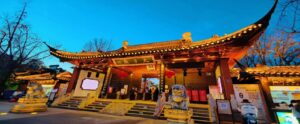
Nanjing Confucius Temple (Fuzimiao)
The Nanjing Confucius Temple is a place dedicated to Confucius, the great ancient Chinese philosopher and educator; it is also known in Chinese as the Fuzimiao. The temple was first built in 1034 during the Song Dynasty (420–589 AD), but it was repeatedly destroyed and rebuilt over the years. In 1937, the temple suffered its most severe damage when it was burned down by Japanese invaders. In 1984, with the support of the local government, the Confucius Temple was rebuilt. During the lengthy reconstruction process, the original complex was gradually expanded, eventually becoming a complex that blends architectural styles from the Ming and Qing dynasties. It now includes the Nanjing Confucius Temple, the Imperial Examination Museum, and the Academy (i.e., the National Academy). To this day, both local residents and tourists still habitually refer to it as the Confucius Temple. In front of the Nanjing Confucius Temple, the Qinhuai River winds its way through the landscape. On the south bank stands China’s longest screen wall, measuring 110 meters (about 120 yards) in length and constructed of brick and stone. The Great Hall of Achievement is a must-see during your visit. It stands 16.22 meters (about 53 feet) tall and 28.1
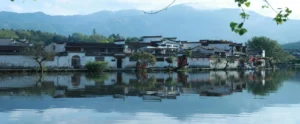
Hongcun Ancient Village
Hongcun Ancient Village, located approximately 11 kilometers (7 miles) northeast of Yixian County, is celebrated as “a village straight out of a Chinese fairy tale painting.” This 900-year-old settlement was inscribed as a UNESCO World Heritage Site in 2000. The village’s layout resembles a cow: Leigang Hill forms the “bull’s head,” with two towering trees on the hill representing the “bull’s horns.” The residential buildings form the “bull’s body,” the winding stream is the “bull’s intestines,” the Moon Pool is the “bull’s stomach,” and the four bridges constitute the “bull’s four legs.” 1. Chengzhi HallHongcun Ancient Village still preserves approximately 140 residential buildings from the Ming and Qing dynasties (1368-1644). Characterized by whitewashed walls and black tiles, these structures are remarkably sturdy. Among them, Chengzhi Hall stands out as the most outstanding, earning the title of “Folk Imperial Palace.” Its pillars, beams, and door frames are adorned with exquisite gold-inlaid carvings, requiring nearly 5 kilograms of gold for the wood carvings alone!Other notable halls include the Wang Anshi Memorial Hall, the Hall of Scenic Beauty, the Hall of Auspicious Virtue, and the Hall of Harmonious Discourse. 2. Nanhu AcademyNanhu Academy is situated on the northern shore of South Lake in
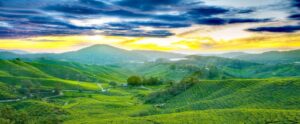
Mogan Mountain
Mogan Mountain is located in Deqing County, Huzhou City, Zhejiang Province. Alongside Beidaihe Scenic Area, Lushan Mountain, and Jigong Mountain, it is renowned as one of “China’s Four Major Summer Resorts.” Spanning 43 square kilometers (approximately 10,625 acres) with an average elevation of 500 meters (1,640 feet), Mogan Mountain is celebrated for its dense bamboo forests, scattered villas of diverse architectural styles, and captivating legends 1. A Sea of Green in MoganshanMoganshan is blanketed by bamboo forests, with lush green bamboo covering the entire mountain peak, creating a tranquil and serene atmosphere. Trees, bamboo, grass, and the mountain itself form a verdant “ocean” for visitors to admire. Hundreds of springs and waterfalls make this mountain a perfect summer retreat. As the saying goes, “Mornings feel like spring, evenings like autumn,” Moganshan maintains an average summer temperature of just 24°C. Its clouds take on extraordinary shapes—sometimes resembling cotton balls, other times draping the peaks like ribbons—often forming spectacular seas of clouds. 2. Moganshan VillasHidden amidst bamboo groves, these villas may surprise visitors. With over two hundred distinct structures spanning European, American, Japanese, and Russian styles, Moganshan has earned the reputation as a “World Architectural Museum.” Gothic, Baroque, Rococo, Nordic, Southern European,
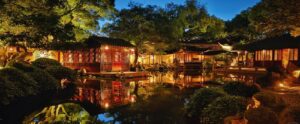
Zhouzhuang Water Town
Zhouzhuang is one of China’s most renowned water towns, located in Kunshan City, just 30 kilometers (18 miles) southeast of Suzhou. It is celebrated for its rich cultural heritage, well-preserved ancient dwellings, picturesque water scenery, and vibrant local customs. During the Spring and Autumn Period (770–476 BC), the town belonged to the Yao City fiefdom and was known as Zhenfeng Village. In the Northern Song Dynasty (960–1127 AD), the devout Buddhist Zhou Diguo donated the town to Quanfu Temple in 1086. To honor the donor, the town was renamed Zhouzhuang.Within this 124-acre (0.5 square kilometer) area, 60% of the existing buildings date back to the Ming and Qing dynasties, spanning from 1368 to 1911. We’ll take the most convenient mode of transportation here—the cable car—to enjoy some breathtaking views one by one. 1. Twin BridgesSurrounded and divided by lakes and rivers, the water town of Zhouzhuang features 14 stone bridges spanning its waterways, showcasing the unique charm of a water village. Among them, the Twin Bridges—comprising Shide Bridge and Yong’an Bridge—are the most renowned, regarded as symbols of this tranquil town. Constructed during the Wanli reign of the Ming Dynasty (1573-1619), the Twin Bridges are located in the northeastern
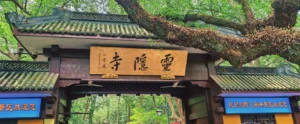
Lingyin Temple
The Lingyin Temple and Peak Flown from Afar offer free entries from December 1, 2025 on. All tourists need to reserve a ticket at least one day in advance. Lingyin Temple is situated in a narrow valley between Feilai Peak and North Peak, northwest of West Lake in Hangzhou, Zhejiang Province. It is undoubtedly one of the most dazzling attractions in the West Lake area and ranks among China’s ten most significant Buddhist temples. In 1961, Lingyin Temple was designated a provincial-level key cultural relic protection unit and is regarded as a vital center for the study of Chinese Buddhist culture. The history of this temple dates back to the Eastern Jin Dynasty (317–420 AD). According to local legend, an Indian monk named Huili arrived here and was so moved by the scenery that he believed it must be the dwelling place of immortals. He thus named the temple “Jingxin Temple.” Because the temple’s serene and beautiful surroundings bring a sense of peace and tranquility, its Chinese name is often translated into English as “Temple of Tranquil Mind” or “Temple of Calm Mind.” Lingyin Temple rose to prominence during the Five Dynasties period (907–960 AD), when the ruler of Wuyue
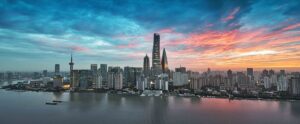
Shanghai Tower
Shanghai Tower, located in Lujiazui, Pudong New Area, stands as China’s tallest skyscraper and the world’s third-tallest building. It serves not only as a landmark of Shanghai but also integrates commercial, office, hotel, exhibition, entertainment, and sightseeing functions. From the observation deck at the tower’s summit, visitors can take in breathtaking panoramic views of the entire city—the winding Huangpu River, the historic architecture of the Bund, and the forest of skyscrapers in Lujiazui. Standing at a total height of 632 meters, the building features 127 above-ground floors and 5 underground levels, occupying a footprint of 30,368 square meters—equivalent to 4.5 standard soccer fields. 1. Exterior and Design FeaturesThe Shanghai Tower features a spiral architectural structure that resembles a coiling dragon when viewed from afar. This distinctive design breaks away from the monotonous forms of traditional skyscrapers, establishing a unique aesthetic while delivering exceptional functionality. Its gently rotating structure significantly reduces wind resistance, ensuring the tower remains upright and stable even in strong winds. Additionally, the building’s foundation comprises 955 piles, each 86 meters long, deeply embedded into soft soil to securely support a weight of 800,000 tons—equivalent to the combined weight of 70 Eiffel Towers.The exterior features a double-glazed curtain
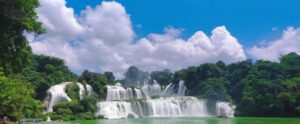
Detian Waterfall
1. Detian Waterfall Scenic Area is located in Daxin Town, Chongzuo City, Guangxi Zhuang Autonomous Region, approximately 145 kilometers (90 miles) from downtown Nanning, bordering Vietnam. The scenic area features over 40 tourist attractions, with the most renowned being the Ban Yao-Detian Waterfall. This waterfall spans the China-Vietnam border, connecting with Vietnam’s Ban Yao Waterfall. As the world’s second-largest transnational waterfall, it cascades down from great heights through three distinct tiers. You may have witnessed the world-renowned Niagara Falls and been profoundly moved by its majestic grandeur. Similarly, the awe-inspiring Detian Falls promises an equally thrilling and breathtaking experience. 2. The Deep Pool Below the WaterfallBeneath Detian Waterfall lies a deep pool over 200 meters (0.12 miles) wide and over 30 meters (0.02 miles) deep. Abundant with fish whose meat is exceptionally tender and flavorful, the pool attracts local villagers who frequently come to fish. As they cast their nets, they often sing folk songs, their cheerful melodies echoing through the mountains and creating an atmosphere of carefree vitality. Beyond Detian Waterfall, numerous other captivating attractions await your exploration, such as the Black Water River, Qiaomiao Lake, Guichun Boundary River, Satun Waterfall, the No. 53 Grinding Stone, and a wealth
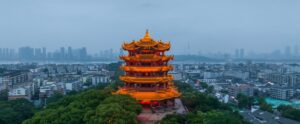
Yellow Crane Tower
1. Overview of Yellow Crane TowerLocation: She Mountain, Wuhan City, Hubei ProvinceConstruction Date: 223 AD during the Three Kingdoms period (220–280 AD)Layout: Five storiesYellow Crane Tower is celebrated as “the premier scenic spot under heaven” and stands as one of the most renowned towers south of the Yangtze River. Its cultural significance has made it a symbol of Wuhan City. 2. The Legend of Yellow Crane TowerLegend has it that Yellow Crane Tower was built by the family of an old teahouse owner named Lao Xin in Wuhan. One day, a ragged Taoist priest came to the teahouse asking for wine. Lao Xin ignored him, but his son generously gave the priest some wine without asking for anything in return. Over the next six months, the priest became a frequent visitor to the teahouse. One day, the Taoist told Lao Xin’s son that to repay his kindness, he wished to paint a crane on the teahouse wall. This crane would dance at his command. Word spread throughout the city, drawing crowds to the teahouse to witness the crane’s dance. The Lao Xin family grew wealthy as a result. To express their gratitude to the Taoist, they built the Yellow Crane
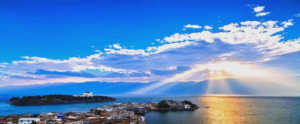
Erhai Lake
Erhai Lake is China’s largest plateau lake after Dianchi Lake and one of the country’s seven major freshwater lakes. Its name literally means “ear-shaped sea,” reflecting the lake’s ear-like form and vast expanse resembling the ocean. Covering 250 square kilometers (96 square miles), Erhai Lake lies approximately 2 kilometers (1.2 miles) east of Dali. Viewed from Cangshan Mountain, Erhai Lake resembles a crescent moon stretching between the mountain range and Dali. On clear days, the lake’s crystal-clear waters reflect the snow-capped peaks of Cangshan, creating breathtaking scenery that has earned it the epithet “Silver Cangshan, Jade Erhai.” The surrounding islands, temples, and villages are also well worth exploring. Jinsuo Island and the nearby Bai ethnic fishing villages are truly worth a visit for their captivating Bai culture and way of life, as well as the rare beauty of Erhai Lake and its surrounding areas. Xiaoputuo Temple is a memorable monastery originally dedicated to Guanyin Bodhisattva, with a history dating back to the 15th century. Though small—hence the “Xiao” (small)—it still offers visitors the chance to experience and observe the distinctive architectural style of a classic ancient Chinese Buddhist temple on this peninsula, featuring elements like pointed eaves and ornate decorations.
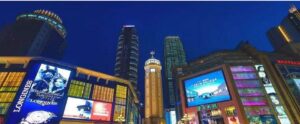
Jiefangbei CBD
Jiefangbei Commercial Center, located in downtown Chongqing and also known as Jiefangbei Pedestrian Street or Jiefangbei Square, is the most bustling commercial district in western China. The entire pedestrian street spans 36,000 square meters (approximately 43,055 square yards), centered around the Liberation Monument (known in Chinese as Jiefangbei), encompassing Minquan Road, Minzu Road, and Zuorong Road. Today, it has become a must-visit destination for tourists in Chongqing, where people can indulge in shopping and savor diverse cuisines. In 1997, the Chongqing Municipal Government developed the region’s first commercial pedestrian street—Jiefangbei Center Shopping Plaza—within a 24,000-square-meter (approximately 28,700 square yards) area surrounding the Liberation Monument. Subsequently, in 2000 and 2001, the pedestrian street was extended further to Bayi Road and Minzu Road. Today, this central business district has become the economic heart of Chongqing. It has achieved a retail sales volume of 41.4 billion yuan, earning it the reputation as China’s most investment-worthy central business district. Forty-seven Fortune Global 500 companies have established branches here. 1. Shopping at Liberation Monument CBDThis central business district is Chongqing’s shopping paradise, home to numerous malls, boutiques, and department stores. You’ll find international luxury brands like Louis Vuitton, Prada, and Rolex at Marriott Department Store,
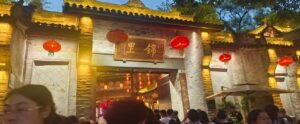
Jinli Street
Chengdu is a city brimming with a strong leisurely ambience with Jinli Street as the typical representative. The street is located to the east of the Wuhou Temple of Chengdu (the most famous Three Kingdoms period (220 – 280) relic museum in China). It is recorded that as early as the Qin Dynasty (221 BC – 206 BC), Jinli Street was the most famous place for baldachin – a rich, ornate cloth. And it was one of the busiest commercial areas during the Shu Kingdom (221-263). Hence, it is known as ‘First Street of the Shu Kingdom’. In order to reclaim its prosperity of former days, it was restored with contributions from the Wuhou Temple and was opened to public in October of 2004. Since then, visitors from all over China and abroad gather here to relax, admire the traditional-style buildings, and taste some local snacks. At one end of Jinli Street stands an archway inscribed with the characters “Jinli Street.” From this archway, the narrow lane paved with green stone slabs winds its way through Chengdu, stretching 350 meters in total. The buildings lining both sides of the street—including teahouses, shops, and inns—blend the cultural essence of the
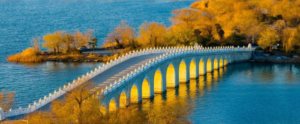
Summer Palace
The Summer Palace is China’s largest and best-preserved imperial garden. Its exquisite 18th-century imperial architecture and magnificent lakes and mountains attract millions of visitors from around the world. 1. Harmony Between Architecture and NatureThe artificial structures of the Summer Palace blend seamlessly with the natural slopes and lakes. Grand palaces extend along the mountain ridges as if growing organically from the hills. The expansive lake surface mirrors pavilions and distant peaks, immersing visitors in a vibrant landscape painting. 2. Blending Architectural Styles from Across ChinaThe Summer Palace masterfully integrates architectural styles from different regions of China. Within its grounds, visitors can experience the resplendent grandeur of Beijing’s imperial palaces, feel the tranquil serenity of southern China’s water towns, and encounter the white stone mandalas of Tibetan Buddhism. 3. China’s Only Large-Scale Imperial Garden Preserved in Near-Perfect ConditionIn China, the Summer Palace stands as the sole large-scale imperial garden preserved in near-perfect condition. Despite enduring countless wars and upheavals, it still houses approximately 3,000 ancient structures and 40,000 imperial artifacts. This allows visitors to step back in time and witness firsthand the daily life, governance, ceremonial activities, and leisure pursuits of the Qing Dynasty imperial court. 4. Designated as a World
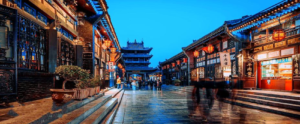
Pingyao Ancient City
Pingyao embodies Shanxi’s former prosperity, and the soul of Pingyao lies within its ancient city. Founded during the Western Zhou Dynasty (1046–771 BC) and rebuilt in 1370, Pingyao Ancient City is now counted among China’s four best-preserved ancient towns, alongside Lijiang Ancient Town, Huizhou Ancient Town, and Longzhong Ancient Town. It lacks picturesque mountains, verdant hills, or crystal-clear lakes, yet its uniqueness lies in its exceptionally well-preserved ancient city, featuring imposing city walls, traditional dwellings, former guard barracks, historic shops, and even the remnants of ancient government offices. In 1997, it was inscribed on the UNESCO World Heritage List. 1. Ancient City WallsPingyao Ancient City, also known as the “Tortoise City,” derives its name from its walls resembling a tortoise shell. The Pingyao City Walls are a must-see attraction. The walls feature six gates, with four symmetrically positioned along the east and west sides, resembling the four legs of a turtle. The South Gate and North Gate correspond to the turtle’s head and tail, respectively. Viewed from above, the crisscrossing walls form the outline of a giant turtle, while the intersecting gates resemble the patterns on its shell. 2. Ancient Ming and Qing Street (South Street)To glimpse the former prosperity
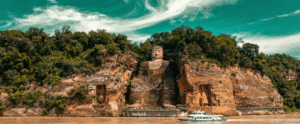
Leshan Giant Buddha
1、Leshan Giant Buddha InformationLocation: No. 2435, Middle Section of Lingyun Road, Leshan City, Sichuan ProvinceConstruction Period: 713–803 ADHeight: 71 meters (233 feet) The Leshan Giant Buddha is a seated statue of Maitreya Bodhisattva (Maitreya is typically depicted as a plump, smiling monk with his chest and abdomen exposed). Located in eastern Leshan City, Sichuan Province, at the confluence of the Minjiang, Qingyi, and Dadu Rivers, it is the city’s most famous attraction. In December 1996, the site of the Leshan Giant Buddha was inscribed on the UNESCO World Heritage List. Construction began in 713 AD during the Tang Dynasty and was completed in 803 AD, requiring over 90 years of carving. Throughout this lengthy period, thousands of artisans poured their dedication and ingenuity into the project. As the world’s largest stone-carved Buddha statue, the giant Buddha frequently appears in poetry, songs, and stories. 2. How large is the Leshan Giant Buddha?Facing the river with symmetrical posture and solemn, serene expression, the statue is breathtaking. Standing 71 meters tall (approximately 233 feet), its fingers measure 8.3 meters long (about 27 feet). The 9-meter-wide (about 30 feet) instep can comfortably seat a hundred people, while the 24-meter-wide (about 79 feet) shoulders are
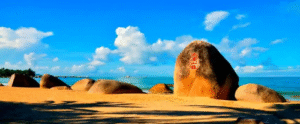
Tianya Haijiao
Tianya Haijiao (literally ‘edge of the sky, rim of the sea’) Tianya Haijiao, a romantic and beautiful scenic spot, lies to the west of Sanya City, Hainan Province. It receives many visitors from home and abroad every year since its open in 1988. It also attracts thousands of young lovers from every corner of the world to hold their wedding ceremonies here. Tianya Haijiao means ‘the furthermost part of the sky and the sea’ in Chinese, suggesting an unattainable place. In the past, Chinese people believed that the sky was square and the earth was round. Therefore there was definitely a furthermost part of the sky and the earth. Hainan Province, the southernmost part of China, was believed to be the location of Tianya Haijiao. 1、Story of the Thress Stones in Tianya Haijiao The Tianya Haijiao Scenic Spot sits on Maling Mountain facing the sea. Walking along the seashore, you will see a stone carved with four characters Nan Tian Yi Zhu, which means ‘a pillar standing in the southern part of the sky’ in Chinese. The story goes that when the local fishermen’s daily life was affected by terrible storms, and they could hardly catch the fish, two kind-hearted
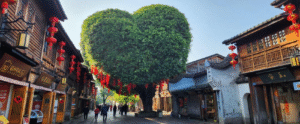
Sanfang Qixiang
Sanfang QixiangName: Sanfang Qixiang, Three Lanes and Seven Alleys, Sanfangqi Alley Tourist CenterChinese Name: 三坊七巷Construction: Initially built in the Jin Dynasty (265-420), shaped in the Tang Dynasty (618 – 907) and Five Dynasties and Ten States (907 – 960) and prospered in the Ming Dynasty (1368-1644) and Qing Dynasty (1644-1911).Area: 40 hectares (100 acres)Location: At the central area of Fuzhou. Sanfang Qixiang is Fuzhou’s only surviving old town district, preserving over 200 ancient residences primarily from the Ming and Qing dynasties. It is renowned as a “museum of Ming and Qing architecture.” Since its establishment during the Jin Dynasty, numerous scholars and literati have resided here, earning Sanfang Qixiang the reputation as the cradle of Fuzhou’s historical and cultural heritage. Sanfang Qixiang comprises three alleys, seven temples, and a main thoroughfare called Nanhou Street. The three alleys—Yijin Alley, Wenru Alley, and Guanglu Alley—lie west of Nanhou Street. The seven temples, situated east of Nanhou Street, are Yangqiao Temple, Langguan Temple, Tower Temple, Huang Temple, Anmin Temple, Gong Temple, and Jibi Temple. 1.Nanhou StreetNanhou Street is the axis of Sanfang Qixiang, which is about 1,000 meters (1,095 yards) long. Besides, it is a business street where people can buy the daily
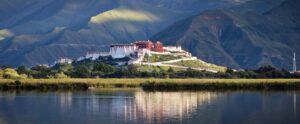
Potala Palace
Location: Red Hill, downtown LhasaElevation: Highest point at 3,767.19 meters (12,359.55 feet)Construction date: 631 AD The Potala Palace stands as the world’s highest ancient palace. Its name Potala originates from a sacred mountain in South India, meaning “abode of Avalokiteshvara (the Compassionate Buddha)” in Sanskrit. Legend holds that the Potala Palace was built to welcome a Han Chinese princess. In the 7th century, to receive his bride Princess Wencheng of the Tang Dynasty (618-907), the Tibetan king Songtsen Gampo constructed a nine-story palace with a thousand rooms atop Red Hill, naming it Potala Palace. Constructed primarily of stone and timber, the palace was adorned with locally sourced white horsehair grass. Later, following the collapse of Songtsen Gampo’s dynasty, this ancient palace was nearly destroyed in the ensuing turmoil. What we see today is the Qing Dynasty (1644-1911) architecture, along with the results of continuous expansion since the 17th century. The Potala Palace stands as a symbol of cultural and economic exchange between Tibet and the Tang Dynasty. Today, this palace holds immense historical value and profound significance for China. The palace complex comprises two main sections: the central Red Palace flanked by the White Palace on either side. 1. The
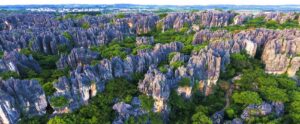
Stone Forest of Kunming
Kunming Stone Forest, known in Chinese as Shilin, is a spectacular limestone formation and a prime example of karst topography in southern China. Since the Ming Dynasty (1368–1644), it has been hailed as “the world’s greatest natural wonder” and stands as one of Yunnan’s most significant tourist attractions. As a local elder often says, if you visit Kunming without seeing the Stone Forest, your trip to Kunming will have been in vain. 1. Overview of China’s Stone Forest♥Location: Shilin Yi Autonomous County, 120 kilometers (75 miles) from Kunming, a 3-hour drive.♥Area: 400 square kilometers (150 square miles)♥Major Attractions:-Small and Large Stone Forests、Naigu Stone Forest、 Zhiyun Cave、Changhu Lake、Moon Lake、Diedeshui Waterfall、Qifeng Cave、Guishan Mountain 2. Sightseeing Routes and Popular AttractionsStrolling through this area, visitors marvel at the natural stone sculptures and become captivated by the intricate rock formations. The majestic and unique steep terrain has created countless labyrinthine landscapes, including:The Grand Stone Forest, the Small Stone Forest, and the Naigu Stone Forest, each featuring rocks of distinct shapes. Here, you’ll find animal, plant, and human-like figures—some graceful, others rugged—each vividly lifelike and uniquely distinctive.The Zhiyun Cave Underground Stone Forest spans multiple caverns, covering a total area of approximately three square kilometers (720 acres).Qifeng
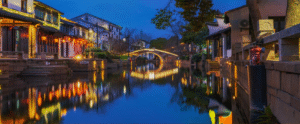
Wuzhen Water Town
Wuzhen Water Town, located in the northern part of Tongxiang City, Zhejiang Province, is a quintessential ancient town in southern China. It is approximately 80 kilometers (50 miles) from both Hangzhou and Suzhou, and about 140 kilometers (87 miles) from Shanghai. As one of the six major ancient towns in the southern Yangtze River region, Wuzhen boasts over 6,000 years of history and has long been a fertile land abundant in rice, fish, and silk. It retains its rustic charm to this day, exuding the rich ambiance of a water town. Throughout the town, black-brick, gray-tiled houses contrast beautifully with whitewashed walls, creating scenes reminiscent of traditional Chinese ink paintings. Stone bridges grace the landscape, while black-canopied boats drift gently along the murmuring rivers. Whether strolling along the riverbanks or wandering through alleys paved with blue flagstones, visitors are captivated by the picturesque scenery and the town’s leisurely pace of life. A crisscrossing river divides the whole Wuzhen Water Town into four scenic sections, which are respectively called as Dongzha, Nanzha, Xizha, and Beizha by local people. Since Nanzha and Beizha are less developed, tourists often prefer to visit Dongzha and Xizha. Dongzha maintains the basic original layout while Xizha
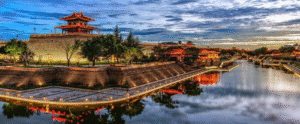
Xi’an City Wall
The Xi’an City Wall, also known as the Xi’an City Defense System, is the most complete surviving city wall in China and one of the world’s largest ancient military defense systems. 1. Overview of Xi’an City Wall Location: Near the center of Xi’an Total length: 13.7 kilometers (8.5 miles) Construction began in: 1370 Four main gates: East Gate (Changle Gate), West Gate (Anding Gate), South Gate (Yongning Gate), North Gate (Anyuan Gate) Ways to explore: On foot, by sightseeing tram, or by bicycle 2. Why Was the Xi’an City Wall Built? When Zhu Yuanzhang, the founding emperor of the Ming Dynasty, captured Huizhou, a recluse named Zhu Sheng advised him to “build high walls, stockpile grain, and take time to become emperor” in order to fortify the city and unify the feudal states. After establishing the Ming Dynasty, Zhu Yuanzhang followed Zhu Sheng’s counsel and began expanding the city walls originally constructed during the early Tang Dynasty (618–907), ultimately forming the scale of Xi’an’s city walls as they exist today. 3. Scale of Xi’an’s Ancient City Wall After expansion, the wall stands 12 meters (40 feet) tall, with a top width of 12 to 14 meters (40 to 46
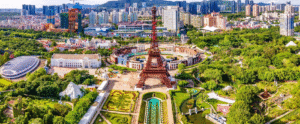
Shenzhen Window of the World
Window of the World in Nanshan District, Shenzhen, is a marvelous miniature theme park located within OCT. Here, you can admire lifelike replicas of world wonders, historical landmarks, and famous attractions. The entire park is constructed at scales of 1:1, 1:5, or 1:15. 1、Replicas of World-Famous LandmarksIn a single day, you can visit replicas of renowned landmarks from many different countries. For instance, you’ll find Mandalay’s Mahamuni Pagoda and Cambodia’s Angkor Wat here. European architectural treasures like the Eiffel Tower, Ancient Athens, the Leaning Tower of Pisa, and the Tower of London will transport you back to the cradle of classical European culture. At Window of the World, you might witness a scene of brutal bloodshed while viewing the miniature Colosseum. Glide through Venice’s canals in a gondola, admiring picturesque landscapes. Mysterious Africa remains eternally vibrant. Here, pyramids and the Sphinx quietly await your arrival. Passing through a typical African village, you’ll journey to Oceania. The uniquely styled Sydney Opera House stands not only as Australia’s landmark but also as a symbol for all of Oceania. From afar, it resembles a dazzling pearl set upon the azure sea. The roar of Niagara Falls and the Colorado Grand Canyon guides you
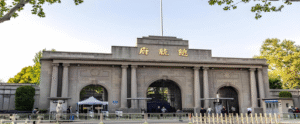
Nanjing Presidential Palace
The Nanjing Presidential Palace is located at 292 Changjiang Road in Xuanwu District, Nanjing. Originally built during the Ming Dynasty (1368–1644) as an imperial residence, it now serves as China’s largest museum dedicated to modern history. As a political center, Nanjing has witnessed numerous pivotal moments in ancient and modern Chinese history. Visiting the Nanjing Presidential Palace offers visitors a profound insight into China. 1. HistorySince the early Ming Dynasty, this palace served as a residence for imperial family members. During the Qing Dynasty (1644–1911), it became the residence of the Viceroy of Liangjiang, overseeing territories encompassing present-day Jiangsu, Shanghai, Anhui, and Jiangxi provinces. In 1853, Nanjing fell to the Taiping Heavenly Kingdom, and the Heavenly Emperor resided here. In 1911, Sun Yat-sen took the oath of office as Provisional President of the Republic of China at this site. After the founding of the People’s Republic of China, the Nanjing Presidential Palace continued serving as an official venue until the late 1990s, when it was converted into the Museum of Modern Chinese History.Covering over 90,000 square meters (968,752 square feet), the Nanjing Presidential Palace is divided into three exhibition zones—central, western, and eastern—featuring a total of 11 exhibition halls. 2.
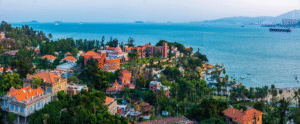
Gulangyu Island
Gulangyu Island is located southwest of Xiamen City, accessible by ferry in approximately five minutes from the city. This scenic area is renowned for its picturesque natural landscapes, ancient relics, and diverse architecture. Designated as a National Scenic Area in China, it also ranks among Fujian Province’s top ten scenic spots. In July 2017, it was inscribed on the UNESCO World Heritage List. 1. History of Gulangyu IslandDuring the Ming Dynasty (1368–1644), the island was known as “Yuan Shazhou Island.” Its current name originates from the massive reefs encircling the island. At high tide, waves crashing against these reefs produce sounds resembling drumbeats, hence the name ‘Gulang’—meaning “drum waves” in Chinese. .In the late Ming Dynasty, national hero Zheng Chenggong stationed his troops here. Following the Opium War in 1842, thirteen nations—including Britain, France, and Japan—established consulates, churches, and hospitals on the island, transforming Gulangyu into a joint concession. Japan occupied the island in 1942, maintaining control until the end of the War of Resistance Against Japan. Gulangyu is home to approximately 20,000 permanent residents, all enjoying a comfortable and leisurely lifestyle. Only electric vehicles are permitted on the island, ensuring an environment free from the noise and pollution of
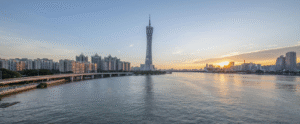
Canton Tower
Guangzhou Tower OverviewLocation: Haizhu District, GuangzhouTotal Height: 600 meters (1,968 feet)Floors: 112As a landmark of Guangzhou, the Canton Tower stands on the south bank of the Pearl RiverSouth Bank of the Pearl River, facing Haishensha Island to the north. As China’s tallest television tower and the world’s third tallest, it remains a must-visit attraction in Guangzhou’s Haizhu District. From its summit, visitors enjoy panoramic city views. The tower houses exciting entertainment facilities, romantic restaurants serving delicious cuisine, and multiple spectacular viewing platforms—some holding world records. Its design is equally distinctive. Designer Mark Hemel drew inspiration from the skeletal structure of a woman’s hip joint, creating a slender waistline at the tower’s midpoint that resembles the subtle sway of an elegant woman turning her head. At its narrowest point, the diameter measures approximately 30 meters (32 yards). The Canton Tower has become a new landmark for Guangzhou and is counted among the city’s eight major new attractions. Whether traveling by Pearl River cruise or strolling along the riverside, visitors can admire this majestic tower. Especially at night, it transforms into a dazzling gown, radiant under a kaleidoscope of lights. The tower is divided into five zones based on height: Zone E,

Kanas Nature Reserve
Kanas Nature Reserve, also known as the Xinjiang Kanas National Geopark, is located in Burqin County, Altay City, Xinjiang Uygur Autonomous Region, bordering Kazakhstan, Russia, and Mongolia. This scenic area boasts a stunning natural ecosystem comprising lakes, rivers, glaciers, forests, and grasslands. 1. Kanas Lake in Kanas Nature ReserveKanas, meaning “rich, beautiful, and mysterious” in Mongolian, is perhaps northern Xinjiang’s most enchanting vacation destination. Kanas Lake undoubtedly stands as the crown jewel of this nature reserve. The Kanas River originates from the Kanas Glacier in the Altai Mountains, winding its way for approximately 125 kilometers (77.7 miles). The lake appears like a pearl set upon the rippling emerald waters of the river. Kanas Lake sits at an elevation of 1,375 meters (4,511 feet) and spans an area of 45.73 square kilometers (11,300 acres). The lake’s color shifts with the changing climate and seasons, sometimes appearing blue, sometimes green, and at other times as white as milk. 2. The Six Bays Along the Shore of Kanas LakeKanas Lake boasts six bays, each harboring a remarkable tale. The first bay features a “Sheep Rock,” a glacier-eroded bedrock formation resembling a sleeping sheep. It quietly admires the beautiful lake scenery, as if welcoming
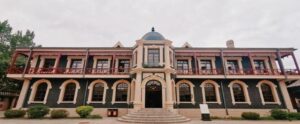
Imperial Palace Museum of the puppet state of Manchukuo
The Imperial Palace Museum of the puppet state of Manchukuo is located in Changchun City, Jilin Province, in northeastern China. From 1932 to 1945, it served as the residence of the last emperor, Puyi, and was also the headquarters of the puppet state of Manchukuo, established by Japan after its invasion of Northeast China. In 1931, Japan invaded Northeast China and forcibly occupied three provinces in the region. To control the region, they established the Manchukuo puppet state (1932-1945) and installed Puyi, the last emperor of the Qing Dynasty, as its nominal head of state. However, Puyi was effectively a puppet of the Japanese military. Subsequently, Japan constructed an imperial palace in Changchun where Puyi conducted state affairs according to the directives of his Japanese masters. Ultimately, in 1945, World War II ended with Japan’s surrender to China. Simultaneously, the Manchukuo state ceased to exist, and Puyi reverted to civilian status. Puyi has long since passed away, and the past is now history. Although the puppet Manchukuo Imperial Palace suffered some damage in 1945, most of its buildings and facilities remain well-preserved to this day. In 1962, the Manchukuo Imperial Palace Museum was rebuilt at its original site on Guangfu
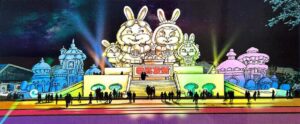
Shenyang International Ice and Snow Festival
The Shenyang International Ice and Snow Festival, first held in 1993, has grown into one of China’s most spectacular winter tourism events. Combining leisure, sports, and sightseeing, it attracts millions of visitors from around the world each year. The festival has become a major driving force for the tourism industry in Shenyang and throughout Liaoning Province. Depending on weather conditions, the festival typically runs from December through February, lasting up to a month, and always kicks off with a grand opening ceremony. The festival is divided into three main sections: the Ice and Snow Sculpture Area, the Entertainment Area, and the Alpine Skiing Area. 1. Ice and Snow Sculpture ZoneIn this area, visitors can admire a variety of lifelike ice and snow sculptures. These works depict majestic animals, figures, palaces, and natural landscapes. For example, at the 2007 festival, the Daming Palace was recreated based on the actual design of the Tang Dynasty (618-907) palace. This was the largest snow sculpture in the festival’s history. Juyongguan Pass was another sculpture modeled after the actual Beijing Great Wall pass. Additionally, the “World’s First Slide” was featured. These three magnificent ice sculptures were not only visually stunning but also interactive for visitors.
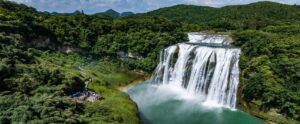
Huangguoshu Waterfall
Huangguoshu Waterfall, resembling a miniature Milky Way, is Asia’s largest waterfall. Standing 74 meters (243 feet) tall and 81 meters (266 feet) wide, it is a spectacular natural wonder in Anshun. If you’re in Guizhou Province, don’t miss it. Huangguoshu Waterfall National Park is located 45 kilometers (28 miles) southwest of Anshun City, Guizhou Province. The main waterfall, along with its surrounding smaller cascades, creates a captivating natural wonder that serves as a signature tourist attraction. The warm hospitality of the local ethnic groups adds a rich cultural dimension to the experience. This waterfall national park primarily consists of three key attractions: the waterfall cluster, Water Curtain Cave, and Rhino Pool. 1. Waterfall ClusterThe Huangguoshu Waterfall Cluster comprises about 18 waterfalls, with Huangguoshu Waterfall being the most renowned. Water flow varies seasonally. The reservoir behind the falls stores water. Located one kilometer upstream from Huangguoshu Falls, the Doupotang Falls spans 105 meters in width and 21 meters in height, making it the widest waterfall in the group. Other falls, such as Luoshitan Falls, Silver Chain Falls, and Dishuitan Falls, each possess their own unique characteristics. 2. Water Curtain CaveWater Curtain Cave runs through Huangguoshu, offering visitors a vantage point to
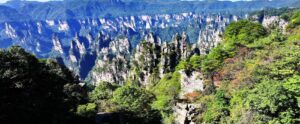
Zhangjiajie National Forest Park
Zhangjiajie National Forest Park, also known as the Wulingyuan Scenic Area, is China’s first national forest park. Inscribed on the UNESCO World Heritage List, it evokes diverse descriptions such as majestic, extraordinary, tranquil, exquisite, and untamed. It features over 3,000 unique karst peaks, crystal-clear streams, about 400 animal species, 850 plant species, and a pleasant climate. The park frequently appears in Chinese television dramas and was even featured in the globally renowned film Avatar. 1. Where is Zhangjiajie National Forest Park located?It is situated 32 kilometers (19 miles) from the city center of Zhangjiajie in Hunan Province, central China. 2. YuanjiajieYuanjiajie forms the heart of Zhangjiajie National Forest Park, a natural plateau where towering stone pillars rise from deep valleys, encircled by lofty mountains. These uniquely shaped rocks, dotted with pine trees, create a vivid scene reminiscent of a traditional Chinese ink painting. Among the many peaks, don’t miss Hallelujah Mountain, formerly known as the Pillar of Heaven and Earth. This towering stone column rises 150 meters (490 feet) and served as the inspiration for the floating mountains in the movie Avatar.The quickest way to reach Yuanjiajie is via the Bailong Elevator. Rising 335 meters (1,100 feet) vertically, it is
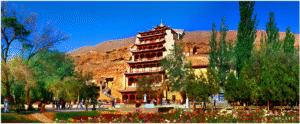
Mogao Caves
Location: 25 km (15.5 miles) from Dunhuang city center, eastern foothills of the Singing Sand Mountains Mogao Caves Founded: 366 AD during the Five Barbarians and Sixteen Kingdoms period (304–439) Number of Caves: 735 The Mogao Caves are a sacred site housing treasures of Buddhist art. A network of wooden walkways stretching 1,600 meters (5,249 feet) north-south leads to the caves, which rise up to five stories high, with some reaching 50 meters (164 feet). Incidentally, “Mogao” means “high place in the desert.” According to Tang Dynasty (618-907) records, a monk from the Sixteen Kingdoms period witnessed the dazzling golden radiance of a thousand Buddhas. Deeply moved, he initiated the construction of grottoes spanning ten dynasties. The Mogao Caves are commonly known as the Thousand Buddha Caves. Buddhist art originated in India. When encountering difficult rock surfaces, the Mogao sculptors improvised. They placed clay statues in front of the cave walls, carved relief murals as backgrounds, and painted decorative art on the cave walls and ceilings. The largest Buddha statue stands 34.5 meters (113 feet) tall, while the smallest is only 2 centimeters (0.79 inches) high. Visitors will find traces of Indian Buddhist art in the early works. More recent
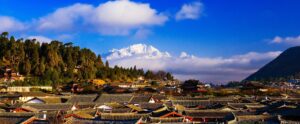
Lijiang Old Town
Lijiang Ancient Town is the central town of Lijiang Naxi Autonomous County in Yunnan Province, a well-preserved ethnic minority ancient town with a rich cultural heritage. Perched at an altitude of 2,400 meters (7,874 feet) on the plateau, the town rests against the lush Lion Hill to the west, Elephant Hill and Golden Ridge Hill to the north, and overlooks vast fertile plains to the southeast. Crystal-clear streams meander through the city, giving it the appearance of a giant inkstone—hence its alternative name, Dàyàn Town. Lijiang Ancient Town covers an area of 3.8 square kilometers (912 acres) and was first established during the late Song and early Yuan dynasties (1271-1368), boasting over 800 years of history. Since Kublai Khan, the founding emperor of the Yuan Dynasty, established his capital here, Lijiang rapidly developed into a political, cultural, and educational hub of its time, playing a vital role in trade exchanges between Yunnan, inland China, Tibet, India, and other Asian nations. Today, strolling through the streets of Lijiang Ancient Town, one encounters an array of exquisite handicrafts everywhere, evoking the prosperity and vibrancy of the ancient city’s past. Lijiang Ancient Town, nestled against mountains and beside rivers, offers an exceptionally valuable
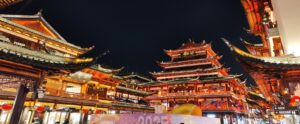
Yu Garden
Yu Garden, also known as Yu Garden, is a must-see attraction in Shanghai’s Huangpu District. Its history dates back to the Ming Dynasty (1368-1644) and was owned by an official named Pan Yunduan. “Yu” means joy and contentment in Chinese. The garden was built specifically for Pan’s parents as a place for them to enjoy a peaceful and happy time in their later years. 1. Overview of Yuyuan GardenLocation: 137 Anren Street, Huangpu District, near the City God TempleAge: Over 400 years oldArea: 20,000 square meters (about 5 acres)Highlights: Exquisite classical garden artistry, rockeries and carvings, Yuyuan Shopping ArcadeBest Season to Visit: Spring and autumnRecommended Visit Duration: 2 hours 2. Highlights of Yuyuan GardenThough compact in size, Yuyuan Garden encompasses all elements of classical Chinese landscaping. Its pavilions, towers, artificial hills, ponds, and winding corridors each possess unique charm. Within the garden lie several must-see attractions. 3. Grand RockeryUpon entering Yuyuan Garden, visitors are greeted by a rockery known as the Grand Rockery. Standing 14 meters tall (about 50 feet), it is the largest and oldest rockery in the Jiangnan region. Ascending to its summit offers a panoramic view of the entire garden. 4. CuixiutangNestled at the foot of the
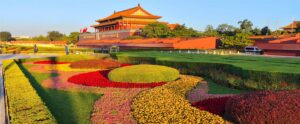
Tiananmen Square
Tiananmen Square, located at the heart of Beijing and the midpoint of Chang’an Avenue, is a majestic sight. Here, you can visit the Tiananmen Gate Tower, the Monument to the People’s Heroes, the Great Hall of the People, and the Mausoleum of Chairman Mao Zedong, and witness the flag-raising ceremony. Thousands of people flock to Tiananmen Square daily, making it an essential destination in Beijing. 1. Tiananmen Gate TowerAt the northern end of the square stands the Tiananmen Gate Tower. Constructed in 1417 during the Ming Dynasty (1368–1644), it served as the main gate to the Forbidden City. Historically, its primary function was hosting grand ceremonies to proclaim the emperor and empress to the people. Until the fall of the last feudal dynasty in 1911, entry was restricted to imperial family and nobility. A great way to experience the Tiananmen Gate Tower is by cycling around the city walls. 2. Monument to the People’s HeroesThe Monument to the People’s Heroes stands at the center of Tiananmen Square. Constructed of granite in 1952, it is the largest monument in Chinese history. Engraved upon it are the four characters “The People’s Heroes Live Forever,” personally inscribed by Chairman Mao Zedong. Eight monumental
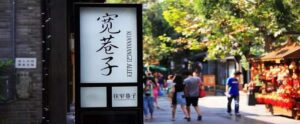
Wide and Narrow Alley (Kuanzhai Xiangzi)
Kuan Zhai Alley consists of three parallel ancient lanes—Kuan Alley, Zhai Alley, and Jing Alley—along with 45 courtyards lining the streets. Together with Daci Temple and Wenshu Monastery, it is designated as a Chengdu Historical and Cultural Preservation Area. This alley serves as a microcosm of Chengdu’s history and remains a profoundly imprinted memory in the hearts of its people. The history of Kuan Zhai Alley dates back to the Qing Dynasty (1644–1911 AD). At that time, it was a fortified enclosure within Chengdu known as Mancheng or Shaocheng, serving as a garrison for imperial troops. Over time, the fortifications gradually fell into disrepair, leaving only Kuan Alley and Zhai Alley. In 2003, renovation began on the two lanes with the goal of creating a cultural commercial street integrating tourism and leisure. On June 14, 2008, the renovated Wide and Narrow Lanes officially opened to the public. Located in present-day Qingyang District, east of Tongren Road and west of Changshun Street, it has since become a renowned entertainment district and tourist attraction in Chengdu, lined with numerous restaurants, bars, teahouses, and specialty souvenir shops. 1. Kuan Zhai AlleyKuan Zhai Alley showcases the leisurely lifestyle of Chengdu locals and stands as
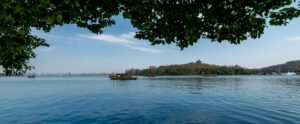
West Lake (Xi Hu)
‘Sunny water waves its glow,Misty rain tricks the hill.Plainly or gaily decked out like Xi Zi,West Lake is always alluring.’ These are the words composed by the famous Song Dynasty poet Su Dongpo (960-1127). In this poem, he compared the West Lake to Xi Zi, one of the four beauties in ancient China. These poetic sentiments depict the charm of the lake which has always been a beautiful and romantic spot since ancient times. The lake is 3.2 kilometers (2 miles) long, 2.8 kilometers (1.7 miles) wide, with an average depth of 2.3 meters (7.5 feet) and an area of 6.5 square kilometers (2.5 square miles). Surrounded by mountains on three sides, West Lake is divided into the North Inner Lake, Moon Lake, West Inner Lake, South Lake, and West Outer Lake by the Bai Causeway, Su Causeway, and Yang Causeway. Between the North Inner Lake and the West Outer Lake lies the largest natural island, Gushan Island. The West Outer Lake also features three artificial islands: Xiaotian Tang Island, Huxinting Pavilion, and Ruan Gongyu Island. Along the lake’s shores stand two renowned Buddhist pagodas: Leifeng Pagoda to the south and Baochu Pagoda to the north. Today, West Lake ranks
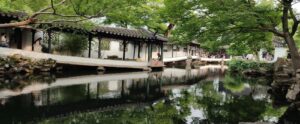
Humble Administrator’s Garden (Zhuo Zheng Yuan)
Suzhou, a beautiful water city in Jiangsu Province in southern China, is renowned for its elegant classical gardens. Among these, the Humble Administrator’s Garden, covering approximately 52,000 square meters (12.85 acres), is the largest and most celebrated. Due to its unique design and ethereal beauty, the garden has received numerous special honors. It is listed as a World Cultural Heritage Site, a National Key Cultural Relic Protection Unit, and a Special Tourist Attraction in China. It is considered one of China’s Four Great Gardens, along with the Summer Palace in Beijing, the Mountain Resort in Chengde, Hebei Province, and the Lingering Garden in Suzhou. No other classical garden in China has received as many honors as the Humble Administrator’s Garden. The Humble Administrator’s Garden was built in 1509 during the Ming Dynasty (1368-1644) as the private garden of Wang Xianchen, an official. Legend has it that Wang Xianchen, frustrated with his career, planned to build a garden after retirement, planting trees and vegetables and living a simple life. He believed that a humble person like him would live a simple life, hence the garden’s name. Built on the site of a former residence and a Taoist temple, the Humble Administrator’s
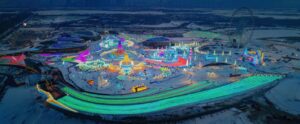
Harbin Ice and Snow World
First established by the Harbin Municipal Government in 1999, Harbin Ice and Snow World is the world’s largest ice and snow art festival to date. It is hailed as having “four bests”: the most art attractions, the most beautiful nightscape, the most leisure activities, and the most diverse entertainment options. Furthermore, the festival continues to evolve, introducing new themes each year, providing visitors with a unique experience year after year.The ice sculptures at Harbin Ice and Snow World are considered world-class examples of ice sculpture art, and visitors can admire some of the largest and most imposing masterpieces. Each sculpture’s design echoes the theme of the festival, allowing visitors to experience a diverse cultural experience. For example, the theme for the inaugural festival was “China’s Prosperity, Heilongjiang’s Soaring,” and the ice sculptures depicted the country’s rapid development. For anyone visiting the Ice and Snow Festival, one of the highlights of the night is visiting the Ice and Snow World. When the sculptures are illuminated by colorful lights buried underground, the exhibits come alive with vibrant colors. The dazzling lights contrast sharply against the dark night sky, making the works even more spectacular.The Harbin Ice and Snow World is also a
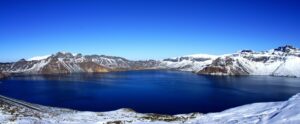
Changbai Mountain
Changbai Mountain is located in Antu County, Yanbian Korean Autonomous Prefecture, in northeastern China, bordering the Democratic People’s Republic of Korea to the south. A dormant volcano, Changbai Mountain boasts magnificent lakes, breathtaking hot springs, forests stretching to the horizon, and numerous rare flora and fauna, including Changbai Mountain ginseng. The scenery is magnificent in all seasons, but winter is particularly stunning. To reach Changbai Mountain, visitors can fly to Changbaishan Airport and then take a shuttle bus, taxi, or chartered vehicle to the scenic area. 1. Tianchi LakeThe most beautiful spot in China’s Changbai Mountains is undoubtedly Tianchi Lake. Formed in a volcanic crater, Tianchi Lake is the source of the Songhua, Tumen, and Yalu Rivers. Changbai Mountain is also the birthplace of the Manchu, Korean, and Han ethnic groups. Tianchi Lake sits at an altitude of 2,189 meters (about 7,182 feet) and has an average annual temperature of 7.3 degrees Celsius (45.14 degrees Fahrenheit). Shrouded in mist, Tianchi Lake resembles a piece of emerald green in the sky. Strolling around Tianchi Lake, you’ll discover a fascinating phenomenon: sunshine and rain often occur simultaneously. One minute it can be pouring rain, the next it can be sunny and warm.
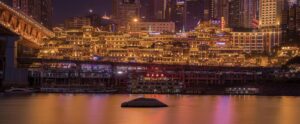
Hongya Cave (Hongyadong)
Hongyadong, boasting over 2,300 years of history, served as a military fortress from the ancient Ba Kingdom (1046-256 BC) to the Ming and Qing Dynasties (1368-1911). It also boasts the remains of one of the earliest and most developed docks in ancient China. Today, Hongyadong boasts a cluster of large stilt houses nestled against the cliffs of the Jialing River. Today, Hongyadong has become a popular destination for tourists seeking to experience Bayu culture (the culture of China’s ethnic minorities), enjoy the river views, and savor delicious cuisine. The breathtaking night view is a must-see. Hongya Cave is an 11-story, 75-meter (245-foot) tall building on stilts, nestled against a sheer cliff. It’s a popular tourist attraction for its resemblance to the structure featured in the Japanese manga “Spirited Away,” by renowned manga artist Hayao Miyazaki. Incredibly, the first and eleventh floors are accessible via two separate routes. Elevators reach each floor, where a variety of bars, cafes, and restaurants are located. From the second floor, visitors can also see the iconic Hongya Dripping Water, a small waterfall cascading down the cliff face. It’s considered one of the Twelve Scenic Spots of Bayu. 1、Four Cultural Streets♥Second Floor: Zhiyanhe Bar Street, home
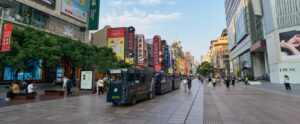
Nanjing Road
Nanjing Road, China’s premier commercial street, stretches 5.5 kilometers (3.4 miles) from the Bund in the east to the intersection of Jing’an Temple and Yan’an West Street in the west. Today, it’s a must-see destination in the metropolis, attracting thousands of fashion-conscious shoppers from around the world. A century-old street in Shanghai’s Huangpu District, Nanjing Road bears witness to the city’s history. Over time, it has undergone numerous renovations and undergone significant transformations. Traditional large-scale storefronts have shed their dominance, replaced by modern shopping malls, specialty stores, theaters, and international hotels. For convenient shopping, an all-weather pedestrian mall has been constructed at the eastern end of Nanjing Road. 1. Explore Traditional Department Stores and the Latest Fashion StoresThis street boasts over 600 shops, showcasing a diverse selection of high-quality brands and trendy new arrivals. High-end brands such as Tiffany, Montblanc, Omega, and Dunhill are all available. Around 100 traditional shops and specialty stores offer a dazzling array of silk, jade, embroidery, woolen goods, and watches. Shopping enthusiasts will find plenty to enjoy here. 2. Savor time-honored snacks. Century-old snack shops are everywhere on Nanjing Road. Not only can you enjoy authentic Shanghainese cuisine here, but you can also buy some
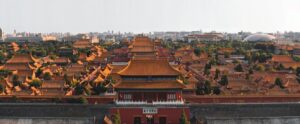
Forbidden City
The Forbidden City, also known as the Palace Museum, is located in the heart of Beijing. It served as the imperial palace of China during the Ming and Qing dynasties (1368-1911). Listed as a World Heritage Site in 1987, the Forbidden City is the world’s largest and best-preserved ancient wooden palace complex. Constructed during the reign of Emperor Chengzu of the Ming Dynasty (1368-1644) and completed between 1406 and 1420, the Forbidden City served as the residence of 24 emperors and their families, serving as the ceremonial and political center of ancient Chinese government for 500 years. After the last Chinese emperor left the palace, the Forbidden City became a museum open to the public in 1925. From then on, the Forbidden City was no longer a “forbidden place,” allowing ordinary people to take a virtual journey through time and glimpse the secrets and extravagances of imperial life. The Forbidden City is a vast, rectangular building, covering 72 hectares and boasting over 9,000 rooms. It is divided into two sections: the Outer Court in the south, used for the conduct of state affairs, and the Inner Court in the north, used for residences. The Forbidden City is not only a
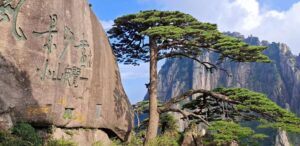
Huangshan Mountain (Yellow Mountain)
Among all the famous mountains in China, Huangshan is perhaps the most renowned, located in the southern part of Anhui Province. It is celebrated for its breathtakingly unique natural scenery, comprising four major wonders: the Welcoming Pine, bizarre rocks, sea of clouds, and hot springs, as well as its towering peaks, unique pines, and glacial landscapes. The fairy-tale-like covering an area of 160.6 square kilometers (39,700 acres), Huangshan National Park is not only picturesque but also rich in resources and biodiversity, earning it the designation as a UNESCO World Natural and Cultural Heritage Site. Throughout the year, Huangshan offers a variety of unique scenic views, such as blooming wildflowers in spring, cascading waterfalls in summer, vibrant autumn foliage, and pristine rime ice in winter. However, from December to March each year, Xihai Valley and Tiandu Peak (Tiandu Peak) are closed for winter maintenance. The Xihai Valley Cableway also suspends operations. 1、Six major scenic spotsThe Huangshan Scenic Area is primarily composed of six distinct scenic zones. Within the Yuping Scenic Zone, the majestic peaks, steep slopes, and ancient stone carvings are truly awe-inspiring. Additionally, there stands a venerable Welcoming Pine Tree. From Beihai to Songgu, the landscape features not only rugged