

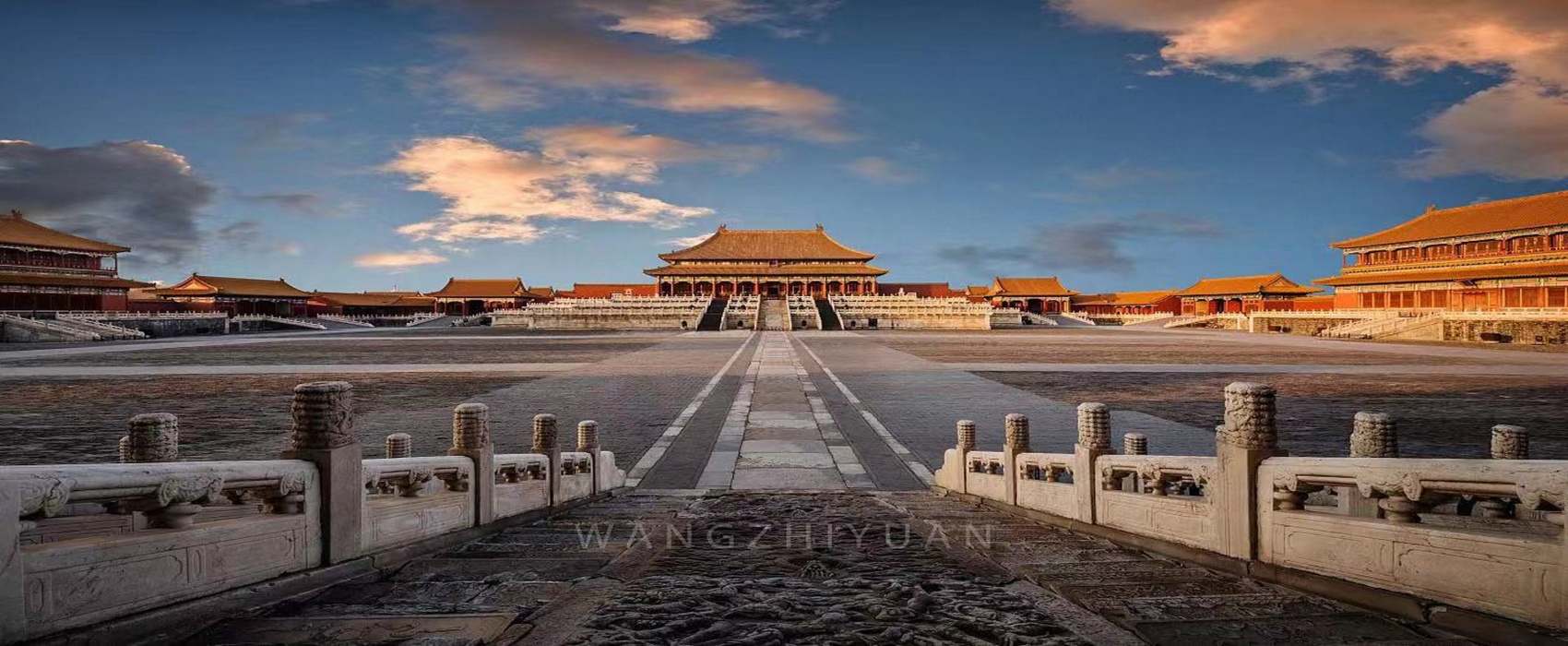

Exploring China: A New Era of Accessibility for International Travellers
China is becoming an increasingly accessible destination for international travellers, thanks to expanded visa-free policies, improved border facilities, and a growing number of international connections. With a 34.9% rise in foreign visitors in early 2025 compared to the previous year, the country is welcoming tourists with open arms. From the bustling streets of Beijing to the serene landscapes of Yunnan, China is making it easier than ever to explore its rich cultural heritage and natural wonders.
Visa-Free Travel: Simplifying Entry for Global Visitors
China’s visa policies have undergone significant changes, making it easier for travellers from around the world to visit. One of the most notable updates is the 240-hour visa-free transit policy, introduced in December 2024. This allows travellers from eligible countries to stay in designated cities for up to six days without a visa, provided they are transiting to a third country. Cities such as Beijing, Shanghai, and Harbin are among the key hubs where this policy applies.
In addition to transit visas, China has expanded its unilateral visa-free policy to include 38 countries, enabling citizens from these nations to stay for up to 30 days. This move has been particularly beneficial for tourists from Europe, Southeast Asia, and the Americas. For example, visitors from countries like Thailand, Malaysia, and Singapore can now explore China without the hassle of applying for a visa.
For those entering via Beijing Daxing International Airport, the process has been streamlined. In the first three months of 2025 alone, over 1 million people passed through this airport, with foreign arrivals increasing by 67.9% compared to the same period in 2024. The airport’s modern facilities and efficient immigration services make it a convenient entry point for international travellers.
Border Crossings: New Gateways to Adventure
China’s land borders are also becoming increasingly important hubs for international tourism. In Yunnan Province, the Kunming-Mohan Land Port has emerged as a key entry point for travellers from Southeast Asia. This border crossing connects China with Laos, making it a vital link for the ASEAN region. In 2024, over 2.8 million people from 117 countries and regions passed through the Mohan border checkpoint, highlighting its growing significance.
The Mohan border is not just a transit point; it’s also a gateway to some of Yunnan’s most stunning attractions. From here, visitors can easily access the tropical landscapes of Xishuangbanna, known for its lush rainforests and diverse ethnic cultures. The region is also home to the Wild Elephant Valley, where entry fees range from 60 to 100 RMB (£7–£11), depending on the season.
To facilitate smoother travel, the Mohan checkpoint has introduced a “special channel for international students” and established an information-sharing mechanism with local schools. These efforts aim to enhance the experience for young travellers and exchange students, making the region more accessible for educational tourism.
Air Travel: Enhanced Connectivity and Efficiency
China’s airports are stepping up their game to accommodate the surge in international arrivals. Harbin Taiping International Airport, located in Heilongjiang Province, is a prime example. As the only airport in northeast China offering the 240-hour visa-free transit policy, it has become a popular choice for travellers heading to the region.
To improve efficiency, the airport has introduced fast-track customs clearance, allowing passengers to complete the process in seconds. Self-service terminals have also been installed, enabling travellers to print their registration cards with a simple swipe of their passports. Additionally, the number of manual verification lanes has been increased from eight to twelve, and eight new express lanes have been added.
Harbin itself is a city worth exploring, especially during the winter months when it hosts the world-famous Harbin Ice and Snow Festival. Entry to the festival costs around 330 RMB (£37), and visitors can marvel at intricate ice sculptures, illuminated by colourful lights, in temperatures that often dip below -20°C.
Beijing: A Timeless Capital with Modern Conveniences
Beijing remains one of China’s most popular destinations, and recent improvements in visa policies and airport facilities have made it even more accessible. The city’s Daxing International Airport, often referred to as the “Starfish” for its unique design, is a major hub for international travellers. With over 211,000 foreign arrivals in the first quarter of 2025, the airport is playing a crucial role in connecting Beijing to the world.
Once in Beijing, visitors can explore iconic landmarks such as the Forbidden City, the Great Wall, and the Summer Palace. Entry fees for the Forbidden City are 60 RMB (£7) during the off-season and 80 RMB (£9) during peak season. The site is open from 8:30 AM to 5:00 PM, with last entry at 4:00 PM.
For those looking to experience modern Beijing, the city offers a range of attractions, from the futuristic architecture of the Central Business District to the vibrant art scene in the 798 Art Zone. Public transport is both affordable and efficient, with a single metro ride costing just 3 RMB (£0.35).
Yunnan: A Paradise for Nature and Culture Enthusiasts
Yunnan Province, located in southwest China, is a treasure trove of natural beauty and cultural diversity. The province is home to 25 ethnic minority groups, each with its own unique traditions and festivals. One of the most popular destinations in Yunnan is Lijiang, a UNESCO World Heritage Site known for its well-preserved ancient town and stunning views of Jade Dragon Snow Mountain.
Another must-visit location is Dali, famous for its traditional Bai architecture and the picturesque Erhai Lake. Boat tours on the lake typically cost around 150 RMB (£17), offering a serene way to take in the surrounding scenery. For adventure seekers, the Tiger Leaping Gorge, one of the deepest gorges in the world, provides challenging hiking trails with breathtaking views.
Yunnan’s capital, Kunming, serves as a gateway to the province’s many attractions. Known as the “Spring City” for its mild climate, Kunming is home to the Stone Forest, a unique karst landscape that has been a UNESCO World Heritage Site since 2007. Entry to the Stone Forest costs 175 RMB (£20), and it’s open daily from 8:00 AM to 6:00 PM.
Summary
China’s recent efforts to simplify travel for international visitors are paying off, with significant increases in foreign arrivals and enhanced accessibility across the country. From visa-free policies to improved airport and border facilities, the nation is making it easier than ever to explore its diverse landscapes and rich cultural heritage.
Whether you’re drawn to the historical landmarks of Beijing, the natural wonders of Yunnan, or the winter magic of Harbin, China offers something for every traveller. Ready to plan your journey? Contact us today to create a customised itinerary that suits your interests and schedule.
Frequently Asked Questions
What is the 240-hour visa-free transit policy in China?
The 240-hour visa-free transit policy allows travellers from eligible countries to stay in designated Chinese cities for up to 240 hours without a visa. This policy is ideal for short-term visits and applies to cities like Beijing, Shanghai, and Guangzhou. Make sure to check eligibility and transit requirements before planning your trip.
Which countries are included in China’s unilateral visa-free policy?
China’s unilateral visa-free policy currently includes 38 countries, allowing citizens from these nations to visit for up to 30 days without a visa. Countries included range across Asia, Europe, and the Americas. Always confirm your eligibility and any entry requirements before travelling.
What are the key entry points for international travellers in China?
Major entry points for international travellers include Beijing Daxing International Airport, Shanghai Pudong International Airport, and Guangzhou Baiyun International Airport. Land ports like the Kunming-Mohan hub in Yunnan also serve as important gateways, particularly for ASEAN countries.
Are there visa-free options for ASEAN travellers entering China?
Yes, ASEAN travellers can benefit from visa-free entry through specific land ports such as the Kunming-Mohan hub in Yunnan. This initiative is part of China’s effort to enhance regional connectivity and tourism. Check with local authorities for detailed requirements and conditions.