

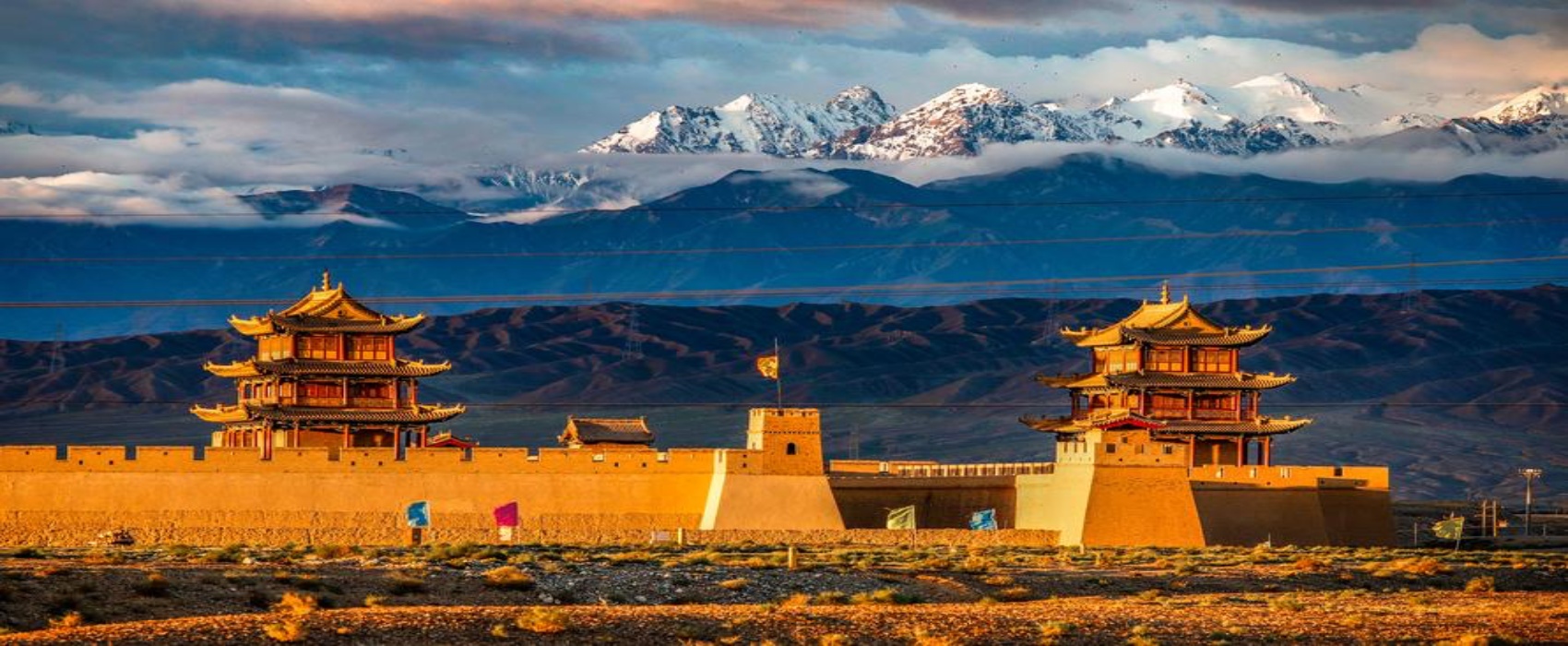

Exploring China: A Gateway to Rich Culture and Scenic Wonders
China has seen a remarkable surge in international visitors, thanks to expanded visa-free policies and improved border facilities. With easier access to iconic landmarks, cultural treasures, and natural wonders, travellers now have more reasons than ever to explore this vast and diverse country. Whether you’re drawn to Beijing’s historical sites, Yunnan’s border tourism hubs, or Harbin’s winter charm, China offers an unparalleled travel experience for every kind of adventurer.
Visa-Free Travel: A Game-Changer for International Visitors
China’s visa-free policies have revolutionised travel for foreign visitors, making it easier to explore the country without the hassle of lengthy visa applications. The 240-hour visa-free transit policy, introduced in December 2024, allows travellers from 53 countries to stay in select cities for up to 10 days without a visa. This policy is particularly beneficial for those planning short trips or transiting through China en route to other destinations.
Beijing has further extended its unilateral visa-free policy to 38 countries, enabling tourists to stay for up to 30 days. This initiative has significantly boosted international arrivals, with Beijing Daxing International Airport alone welcoming over 211,000 foreign visitors in the first three months of 2025—a 67.9% increase compared to the same period in 2024. For those arriving at Harbin Taiping International Airport in Heilongjiang Province, the 240-hour visa-free transit option is complemented by fast-track customs clearance and self-service terminals, ensuring a seamless entry experience.
Travellers should note that visa-free transit policies often require proof of onward travel and may be limited to specific entry points. For instance, Harbin Taiping International Airport is the only port in northeast China offering this benefit. Always check the latest regulations before planning your trip.
Beijing: A Timeless Blend of History and Modernity
Beijing, China’s capital, is a must-visit destination for history enthusiasts and urban explorers alike. The city is home to iconic landmarks such as the Forbidden City, a sprawling imperial palace complex that dates back to the Ming Dynasty. Entry to the Forbidden City costs ¥60 (£6.50/$8) during the off-season and ¥80 (£8.50/$11) in peak months, and tickets must be booked online in advance.
Another highlight is the Great Wall of China, easily accessible from Beijing. Popular sections like Badaling and Mutianyu offer breathtaking views and well-preserved fortifications. A round-trip bus ticket to Badaling costs approximately ¥40 (£4.50/$5.50), while entry fees range from ¥40 to ¥60 depending on the season. For a more tranquil experience, consider visiting the Simatai section, which is less crowded and illuminated at night.
Beyond historical sites, Beijing boasts modern attractions such as the Olympic Park and the futuristic architecture of the National Centre for the Performing Arts. The city’s efficient metro system, with fares starting at ¥3 (£0.35/$0.45), makes it easy to navigate between destinations.
Yunnan: A Gateway to Border Tourism
Yunnan Province, located in southwest China, has emerged as a hub for cross-border tourism, particularly at the China-Laos border. The Kunming-Mohan Land Port is a key entry point for visitors exploring the region’s rich cultural and natural heritage. In 2024 alone, over 2.8 million people from 117 countries passed through the Mohan border checkpoint, highlighting its growing popularity.
One of Yunnan’s standout attractions is the Stone Forest in Shilin, a UNESCO World Heritage Site featuring towering limestone formations. Entry costs ¥130 (£14/$18), and guided tours are available for an additional fee. Another must-visit is Lijiang Old Town, a well-preserved ancient city with cobblestone streets and traditional Naxi architecture. Entry to the Old Town is free, but a maintenance fee of ¥80 (£8.50/$11) applies for access to certain areas.
For nature lovers, Yunnan offers stunning landscapes such as Jade Dragon Snow Mountain and Tiger Leaping Gorge. The province is also famous for its ethnic diversity, with vibrant festivals and markets showcasing the traditions of groups like the Yi, Bai, and Hani peoples.
Harbin: A Winter Wonderland in Northeast China
Harbin, the capital of Heilongjiang Province, is best known for its annual Ice and Snow Festival, which transforms the city into a magical winter wonderland. Held from late December to February, the festival features elaborate ice sculptures, illuminated castles, and interactive snow activities. Entry to the main exhibition area costs ¥330 (£35/$45), while smaller venues charge around ¥200 (£22/$27).
Beyond the festival, Harbin offers unique cultural experiences such as the St. Sophia Cathedral, a Russian-style Orthodox church that reflects the city’s historical ties to Russia. Entry to the cathedral costs ¥20 (£2.20/$2.70). For food enthusiasts, Harbin’s Central Street is a must-visit, offering local delicacies like Harbin sausage and sugar-coated fruit skewers.
Harbin Taiping International Airport, the region’s primary gateway, has implemented advanced facilities to streamline the arrival process for international visitors. Fast-track customs lanes and self-service terminals ensure a hassle-free experience, making it easier to explore this enchanting city.
Practical Tips for Travelling in China
Navigating China as a foreign visitor is easier than ever, thanks to improved infrastructure and travel-friendly policies. Major cities like Beijing, Shanghai, and Guangzhou have extensive metro systems, with fares starting at ¥2 (£0.25/$0.30). High-speed trains connect most regions, offering a comfortable and efficient way to travel long distances. A one-way ticket from Beijing to Shanghai on a bullet train costs around ¥550 (£60/$75) and takes approximately 4.5 hours.
For accommodation, China offers a wide range of options, from budget hostels to luxury hotels. In Beijing, mid-range hotels typically cost ¥400–600 (£45–£65/$55–$80) per night, while prices in smaller cities like Kunming are often lower.
Language barriers can be a challenge, as English is not widely spoken outside major tourist areas. Downloading translation apps and carrying a phrasebook can be helpful. Additionally, mobile payment platforms like Alipay and WeChat Pay are widely used in China, but foreign credit cards may not be accepted everywhere.
Conclusion
China’s expanded visa-free policies and improved travel infrastructure have opened the doors to a wealth of cultural and natural treasures. From Beijing’s historical landmarks to Yunnan’s border tourism hubs and Harbin’s winter charm, the country offers something for everyone.
Ready to explore China? Contact us today to create a customised itinerary tailored to your interests and travel preferences.
Frequently Asked Questions
What is the 240-hour visa-free transit policy in China?
The 240-hour visa-free transit policy allows travellers from certain countries to stay in designated Chinese cities for up to six days without a visa. This policy is designed for those transiting through China to a third country and is available in cities like Beijing, Shanghai, and Guangzhou.
Which countries are eligible for China’s 30-day visa-free entry policy?
China has extended its 30-day visa-free entry policy to citizens of 38 countries. This includes nations across Asia, Europe, and the Americas, making it easier for international travellers to explore the country without the need for a visa.
What are the main attractions for visitors in Beijing?
Beijing offers a wealth of cultural and historical attractions, including the Forbidden City, the Great Wall, and the Summer Palace. Visitors can also explore modern landmarks like the National Stadium and enjoy authentic Chinese cuisine in the city’s bustling markets.
What is the significance of Mohan in Yunnan for travellers?
Mohan, located in Yunnan province, serves as a key gateway for cross-border tourism between China and Laos. It has become a popular entry point for ASEAN travellers, offering seamless access to the region’s rich cultural and natural attractions.