

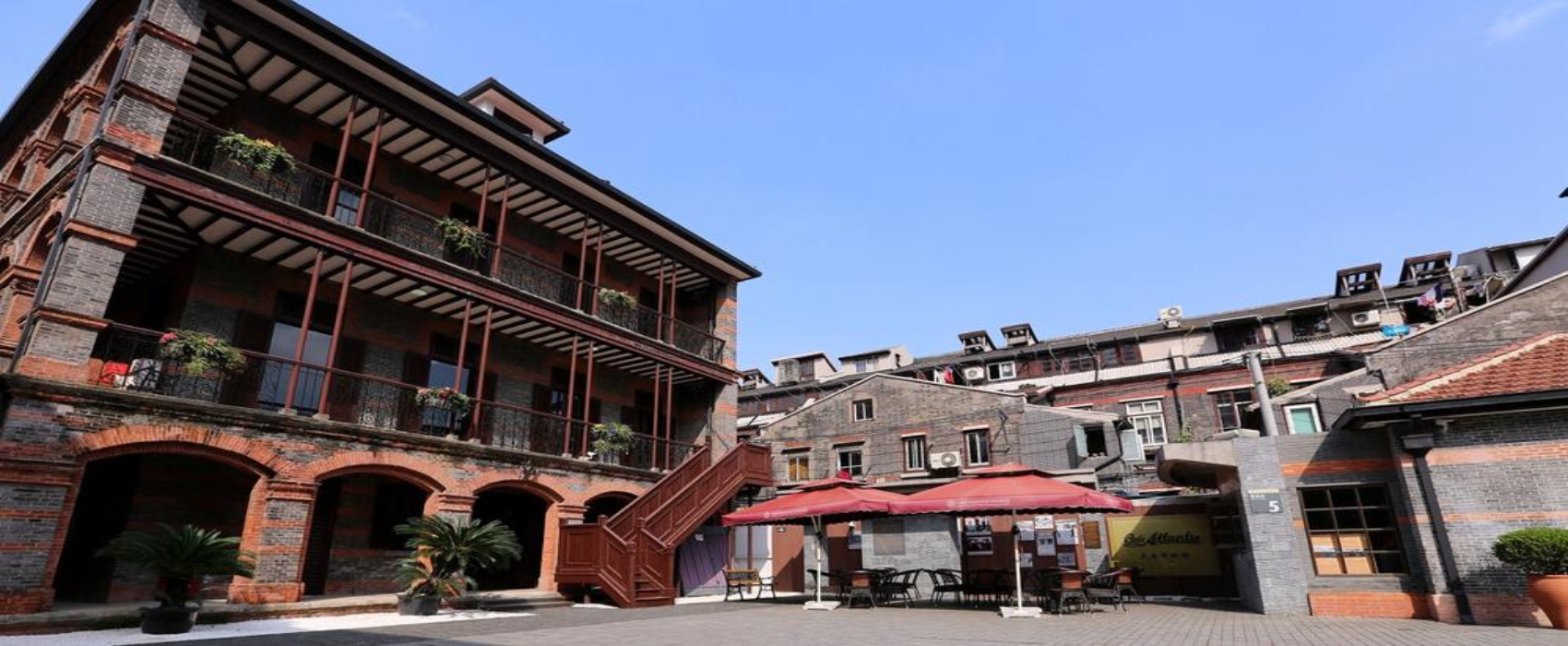

The Shanghai Jewish Refugees Memorial Museum, located on Changyang Road in Hongkou District, was established to commemorate the history of Jewish refugees who sought shelter there to escape the Holocaust during World War II. The museum is housed within the former Ohr Moshe Synagogue, which once served as a place of worship for Jewish refugees. The museum’s collection includes a large number of religious texts and other cultural artifacts.
The Ohr Moshe Synagogue (the prototype of the Shanghai Jewish Refugees Memorial Hall) was built in 1927 and also served as the headquarters of a Jewish youth organization. Between 1937 and 1941, Shanghai accepted 25,000 Jewish refugees, becoming the only major international metropolis in the world at that time that did not turn away Jews. The number of Jewish refugees accepted by Shanghai was equivalent to the total number accepted by Australia, New Zealand, Canada, India, and South Africa combined. As a result, the Ohel Moshe Synagogue became a symbol of “rescue” and “sanctuary.”
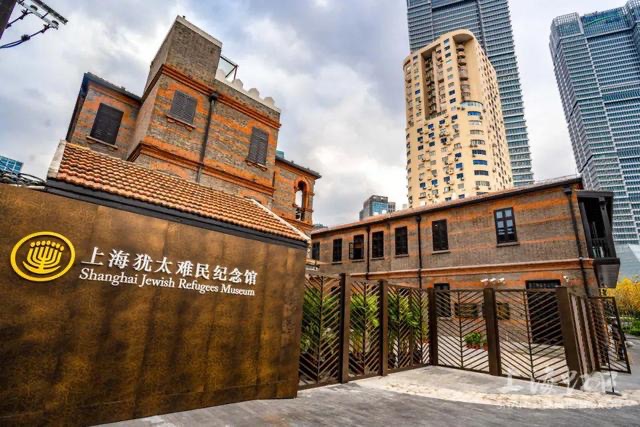
Around the former Ohel Moshe Synagogue, Jews once lived in freedom and peace. From the end of World War II through the 1960s, many Jews left China and gradually settled in various parts of the world. Yet they could not forget their life in Shanghai; they regarded the city as their second home and referred to themselves as “Shanghai Jews.”
In the fall of 1986, a group of Jews who had once sought refuge in Shanghai returned to their former home. Filled with gratitude for the assistance they had received from the local people, they presented a plaque to the Hongkou District People’s Government inscribed with the following words: “During World War II, 20,000 Jewish refugees survived in Shanghai. This plaque is dedicated to all the survivors and the friendly Chinese people.”
Since the former Ohel Moshe Synagogue was approved for conversion into the Shanghai Jewish Refugees Memorial Museum, it has welcomed numerous distinguished guests. On October 14, 1993, former Israeli Prime Minister Yitzhak Rabin visited the former Ohel Moshe Synagogue Museum. He wrote in the guestbook: “When Jews were being massacred and expelled by the Nazis and were scattered across the world, they were protected by the people of Shanghai. The Israeli government, the Jewish people, and I express our heartfelt gratitude for their help.”
As an important part of Shanghai’s Jewish cultural heritage, the former Ohel Moshe Synagogue was designated a Historic Building of Outstanding Value on January 13, 2004, and listed as a protected cultural relic by the People’s Government of Hongkou District, Shanghai. Today, this three-story building has been converted into the Shanghai Museum of Jewish Refugees and restored to its original appearance. The walls are painted gray and accented with red brick stripes. Upon entering the serene main hall, you will find the carved entrance doors open, welcoming visitors. The atmosphere here is very quiet. The Baroque-style stone archways, walls, and columns have all been repainted. Aside from the floor tiles left over from the period of Jewish occupation, no original furnishings remain; the chairs and chandeliers in the hall were added later. The chairs at the front of the hall are arranged in the style of a place of worship. Old photographs of the synagogue and many of the houses built by the wealthy Jewish merchant Sassoon hang on the walls. The building’s decor and furnishings create a serene and peaceful atmosphere.