

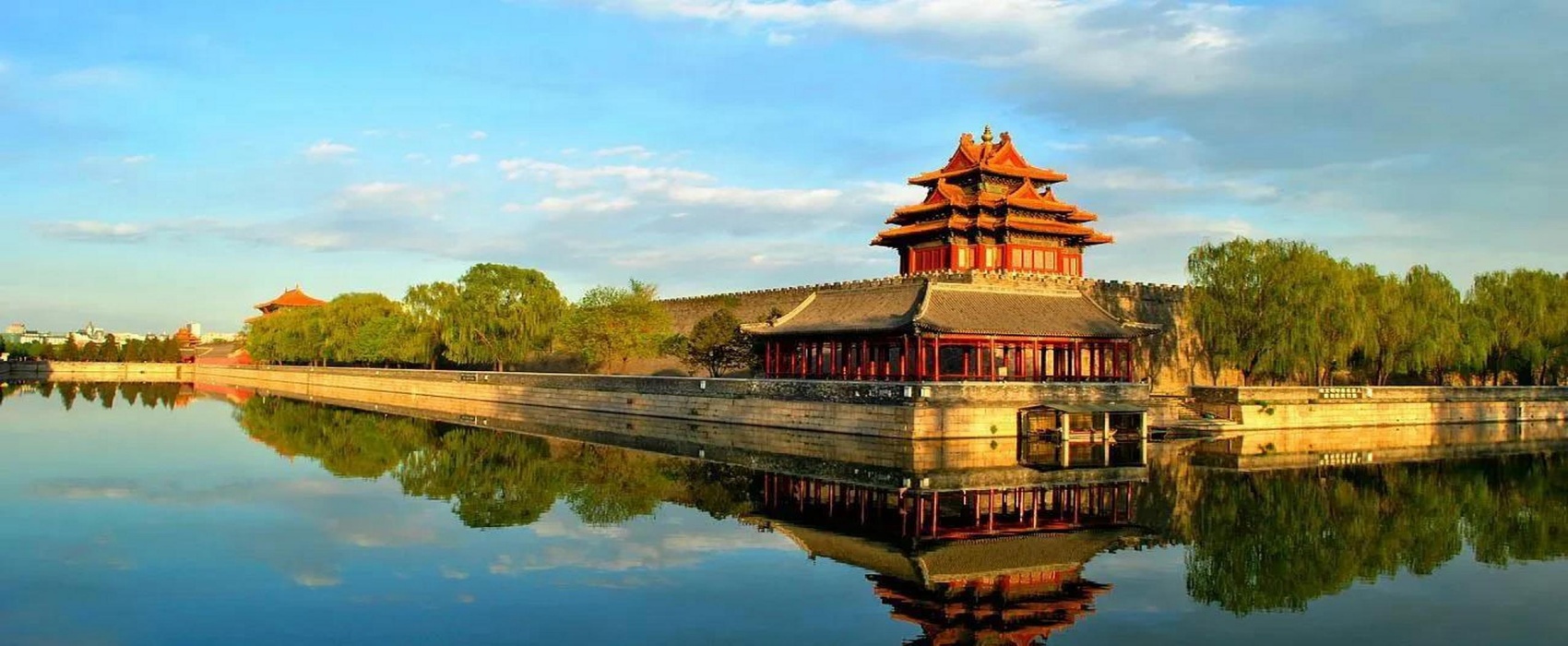

Beijing: Where Ancient History and Modern Energy Collide
Beijing, China’s sprawling capital, offers a unique blend of ancient heritage and futuristic ambition. From the grandeur of imperial palaces and the timeless charm of hutongs to the sleek skyscrapers of its modern skyline, the city is a living museum of contrasts. Whether you’re walking along the Great Wall or exploring vibrant neighbourhoods, Beijing promises an unforgettable journey through history and innovation.
Discover the Legacy of Imperial China
Beijing’s historical landmarks are a testament to its role as the heart of Chinese civilisation for centuries. The city is home to some of the most iconic sites in the world, each offering a glimpse into China’s imperial past.
The Forbidden City: A Palace of Unparalleled Grandeur
The Forbidden City, also known as the Palace Museum, is a must-visit for anyone exploring Beijing. Built in the early 15th century during the Ming Dynasty, this sprawling complex served as the home of Chinese emperors for nearly 500 years. With over 980 buildings spread across 180 acres, the Forbidden City is the largest ancient palace in the world. Visitors can marvel at the intricate architecture, vibrant red and gold hues, and treasures housed within its walls. Entry costs 60 RMB (£7/$8) during peak season (April–October) and 40 RMB (£5/$6) in the off-season. The museum is open from 8:30 AM to 5:00 PM, with the last entry at 4:00 PM.
The Temple of Heaven: A Spiritual Masterpiece
Another jewel of Beijing’s imperial heritage is the Temple of Heaven, a UNESCO World Heritage Site. Built in 1420, this complex was where emperors performed rituals to ensure good harvests. The Hall of Prayer for Good Harvests, with its striking circular design and vibrant blue roof, is a highlight. The surrounding park is a popular spot for locals practising tai chi or playing traditional instruments. Entry to the temple costs 30 RMB (£4/$5), and the site is open from 6:00 AM to 8:00 PM.
The Great Wall: A Timeless Wonder
No trip to Beijing is complete without a visit to the Great Wall of China. The Badaling section, located about 70 kilometres (43 miles) from the city centre, is the most accessible and well-preserved. Visitors can hike along its ancient pathways, taking in panoramic views of the surrounding mountains. Entrance to Badaling costs 40 RMB (£5/$6) during peak season and 35 RMB (£4/$5) in the off-season. Buses from central Beijing to Badaling cost around 12 RMB (£1.50/$2) each way, making it an affordable day trip.
Explore Beijing’s Traditional Neighbourhoods
While Beijing’s imperial landmarks are awe-inspiring, its hutongs—narrow alleyways lined with traditional courtyard homes—offer a more intimate glimpse into local life.
Wandering Through the Hutongs
The hutongs of Beijing are a labyrinth of history and culture. Neighbourhoods like Nanluoguxiang and Yandai Xiejie are particularly popular for their mix of old-world charm and trendy boutiques. Visitors can stroll through these alleys, sampling street food like jianbing (savoury pancakes) or browsing shops selling handmade crafts. For a unique experience, consider a rickshaw tour, which typically costs around 100 RMB (£11/$13) per person for an hour-long ride.
Cuandixia Village: A Step Back in Time
For a more tranquil escape, head to Cuandixia Village, located about 90 kilometres (56 miles) west of Beijing. This well-preserved village dates back to the Ming Dynasty and is known for its stone houses and peaceful atmosphere. Entry to the village costs 35 RMB (£4/$5), and it’s best reached by car or private tour. The journey takes about two hours from central Beijing, making it a perfect day trip for history enthusiasts.
Modern Marvels in a City of Innovation
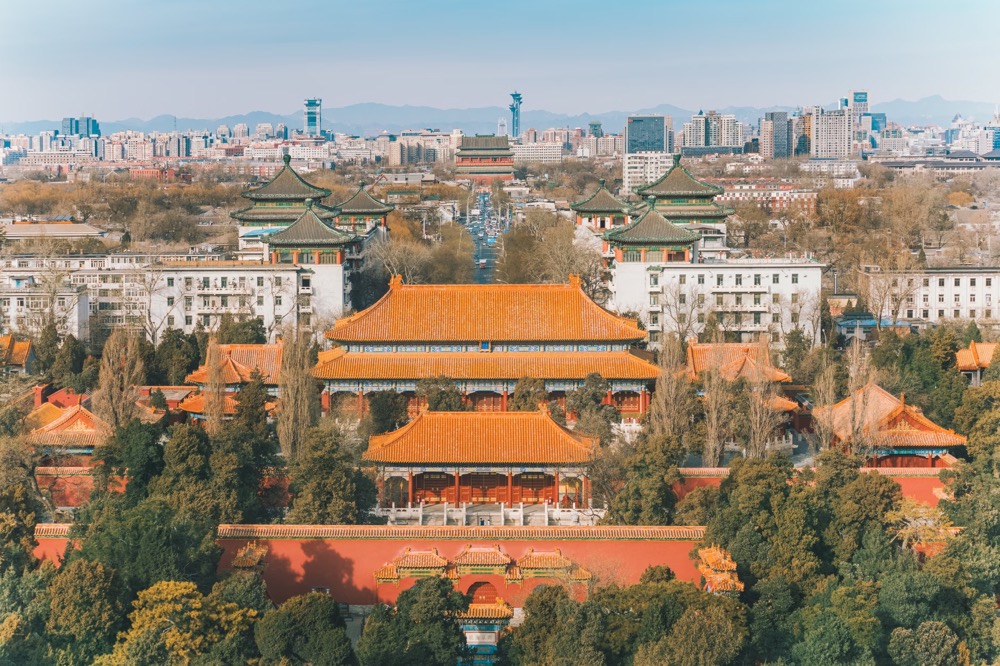
Beijing’s modern skyline is a testament to its role as a global metropolis. Skyscrapers like the China Zun Tower, standing at 528 metres (1,732 feet), dominate the Central Business District. But the city’s modernity isn’t limited to its architecture—Beijing is also a hub for cutting-edge technology and cultural innovation.
The 798 Art District: A Creative Hub
Located in the Chaoyang District, the 798 Art District is a vibrant area filled with contemporary art galleries, design studios, and trendy cafes. Once a factory complex, it has been transformed into a cultural hotspot that attracts artists and visitors from around the world. Entry to most galleries is free, though some special exhibitions may charge a small fee. The district is easily accessible by metro, with the nearest station being Jiuxianqiao on Line 14.
Liangma River: A Modern Oasis
For a more relaxed urban experience, take a stroll along the Liangma River. This revitalised area features scenic walking paths, waterfront cafes, and even boat tours. It’s a popular spot for locals and tourists alike, especially during the summer months when the river is illuminated by colourful lights in the evening.
Seasonal Highlights: Festivals and Events
Beijing’s cultural calendar is packed with events that showcase its rich traditions and modern creativity.
Spring Festivals and Blossoms
Spring is a magical time in Beijing, with festivals and blooming flowers bringing the city to life. The Yulan Magnolia Festival, held in late March, celebrates the beauty of these fragrant white blossoms. Another spring highlight is the Pinggu Peach Blossom Festival, where visitors can wander through orchards filled with pink blooms. Both events are free to attend, though transport costs to the venues may vary.
Winter Wonders
Winter in Beijing offers a unique charm, especially during the Chinese New Year celebrations. The city comes alive with lantern festivals, temple fairs, and cultural performances. The Temple of Earth and Ditan Park are popular spots for experiencing these traditional festivities. Entry fees for temple fairs typically range from 10–20 RMB (£1–£2.50/$1.50–$3).
Practical Tips for Visiting Beijing
Getting Around
Beijing’s extensive public transport system makes it easy to navigate the city. The metro is efficient and affordable, with fares starting at just 3 RMB (£0.35/$0.40). Taxis are also widely available, though traffic can be heavy during peak hours. For a more eco-friendly option, consider renting a bike through one of the city’s many bike-sharing schemes.
Visa Requirements
Most international visitors will need a visa to enter China. However, Beijing offers a 144-hour visa-free transit policy for travellers from 53 countries, including the UK, the US, and Australia, provided they are transiting to a third country. This makes it an excellent destination for a short stopover.
Best Time to Visit
The best times to visit Beijing are spring (March to May) and autumn (September to November), when the weather is mild, and the city’s parks and gardens are at their most beautiful. Summers can be hot and humid, while winters are cold but offer the chance to experience unique seasonal events.
A City That Captures the Imagination
Beijing is a city that defies easy categorisation. Its ancient landmarks and modern innovations coexist in a way that feels both timeless and forward-looking. Whether you’re exploring the grandeur of the Forbidden City, wandering through the hutongs, or marvelling at the city’s futuristic skyline, Beijing offers a journey like no other.
Ready to explore Beijing? Contact us today to craft a customised itinerary that brings the best of this incredible city to life.
Frequently Asked Questions
What are the must-visit historical sites in Beijing?
Beijing is home to iconic landmarks such as the Forbidden City, the Temple of Heaven, and the Summer Palace. Don’t miss a trip to the Great Wall, which is easily accessible from the city, or a stroll through the traditional hutongs to experience Beijing’s historic charm.
How can I experience modern Beijing alongside its ancient heritage?
Modern Beijing offers a striking contrast to its historical sites, with futuristic skyscrapers like the CCTV Headquarters and vibrant shopping districts like Sanlitun. For a blend of old and new, visit areas like the Liangma River, where modern urban life meets serene natural beauty.
What is the best way to get around Beijing as a tourist?
Beijing’s extensive metro system is affordable, efficient, and tourist-friendly, with signs in English. Taxis and ride-hailing apps are also widely available, but be prepared for traffic during peak hours. Walking and cycling are great options for exploring hutongs and parks.
Are there family-friendly activities in Beijing?
Absolutely! Families can enjoy attractions like the Beijing Zoo, the National Museum of China, and the Beijing Aquarium. Parks such as Chaoyang Park and the Olympic Forest Park offer plenty of space for kids to play and explore.
When is the best time to visit Beijing?
The best times to visit Beijing are spring (April to May) and autumn (September to October), when the weather is mild and the skies are often clear. These seasons are ideal for outdoor activities like visiting the Great Wall or exploring Beijing’s parks and gardens.