


Chinese Name: Wuyuan
Population: 376,419
Area: 2,967 square kilometers (1,146 square miles)
Location: Western Jiangxi Province, eastern China
1. Highlighting the Sea of Rapeseed Flowers and Huizhou-style Architecture
Wuyuan County is located in the northeastern corner of Jiangxi Province in eastern China, bordering Jingdezhen to the west, Quzhou to the east, Huangshan to the north, and Sanqing Mountain to the south. Rolling hills stretch from the highlands in the northeast down to the lowlands in the southwest. It is no exaggeration to say that Wuyuan is the most beautiful place in Jiangxi.
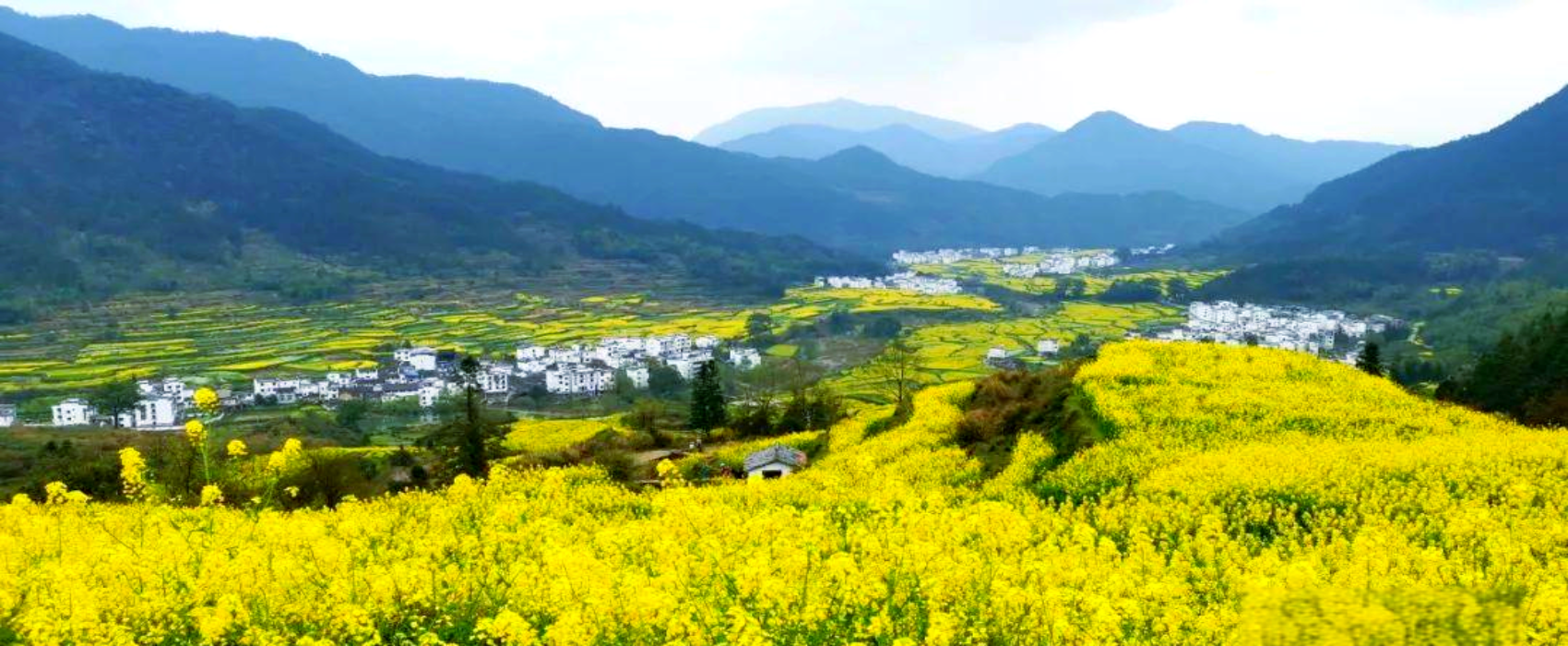
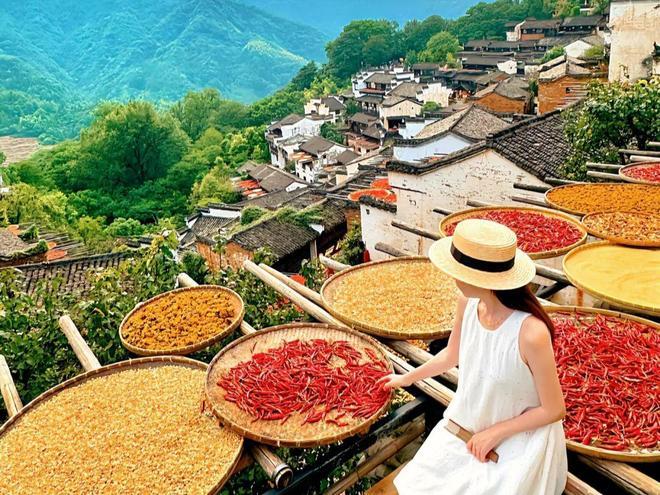
Ancient architecture from the Ming and Qing dynasties is scattered throughout the countryside, and the pastoral scenery is breathtaking, especially the sea of rapeseed flowers. Every March, the rapeseed fields in Xiongling Village blanket the hills, and a 300-meter-long boardwalk or cable car offers visitors a unique flower-viewing experience. The Huizhou-style architecture from the Ming and Qing dynasties was built in accordance with the terrain, arranged in a terraced, fan-shaped pattern, exuding a simple yet elegant charm. In autumn, the vibrant rapeseed flowers blooming on the rooftops add a burst of vitality to the white-walled, black-tiled buildings. There are also many famous attractions near Wuyuan, such as Mount Huang, Mount Sanqing, Mount Lu, and Mount Wuyi. Visitors can easily reach Wuyuan by high-speed rail or plane.
2. Ancient Architecture and Rich Cultural Heritage of Huizhou:
Wuyuan County boasts a history spanning over a thousand years, having been founded in 740 AD during the Tang Dynasty (618–907). It is an integral part of Huizhou culture and still preserves many ancient villages featuring typical Huizhou-style dwellings, residences of historical figures, ancestral halls, and ancient covered bridges. Throughout history, numerous scholars and literati have left a profound cultural legacy here.
3. Natural Wonder—A Paradise of Rapeseed Flowers
In spring, Wuyuan County is surrounded by a sea of golden rapeseed flowers, creating a magnificent landscape that has earned it the reputation as “China’s Most Beautiful Village.” Every March, crowds of tourists flock to this small town to witness a scene of harmonious beauty reminiscent of traditional Chinese ink paintings: green mountains and clear waters, karst caves, crystal-clear streams, terraced rapeseed fields, and exquisite traditional dwellings come together to form a breathtaking panorama. Additionally, other spring blossoms and autumn foliage add to the town’s enchanting natural scenery.
4. There are three main tourist routes in the countryside.
The East and North routes are more popular, while the West route sees fewer visitors.
♥East Route
A series of beautiful ancient villages
Moon Bay → Likeng Village (Xiaolikeng) → Wangkou Village → Jiangwan Village → Huangling Village → Xiaoqi Village → Jiangling Village → Qingyuan Village → Wulongyuan Rafting → Guankeng Village
♥North Route
Exquisite villages and natural landscapes surround Qinghua Town
From Congxi Rafting Site → Liuxi Village, Yan Village → Changtan Village → Rainbow Bridge (located in Qinghua Town)
Upon arriving in Qinghua Town, visitors can choose from the following three branches:
a. Dazhang Mountain Wolong Valley → Huangcun Ancestral Hall → Juijing Village → Lingyan Cave Forest Park → Shicheng Village
b. Hong Village → Qingfeng Cave → Zhangshu Folk Culture Park
c. Zheyuan County → Hongguan Village → Likeng Village (Dalikeng)
♥West Route
Serene natural scenery; the “Hometown of Chinese Tea”
Wengong Mountain → Kengtou Village → Fuchun Ancient Town → Yuanyang Lake → Jinshan Ecological Tea Garden → Changxi Village → Fengyou Mountain