


Shanghai on a Budget: Free Attractions, Cheap Eats, and Money-Saving Transport Hacks
Travelling to Shanghai on a budget can be challenging due to the city’s reputation for high living costs, but with the right strategies, you can enjoy its vibrant culture, iconic landmarks, and delicious food without overspending. This guide provides practical solutions to common problems faced by budget-conscious travellers, including free attractions, affordable dining options, and cost-effective transport tips. By following these step-by-step instructions, you’ll be able to make the most of your trip without breaking the bank.
Problem 1: High Entry Fees for Popular Attractions
Why It Happens
Shanghai is home to world-famous landmarks like the Oriental Pearl Tower and Shanghai Disneyland, but these attractions often come with steep entry fees. For example, tickets to the Oriental Pearl Tower’s observation deck cost around ¥180 per adult, while a single-day ticket to Disneyland starts at ¥435. For budget travellers, these prices can quickly add up.
The Solution: Explore Free Attractions
Shanghai offers plenty of free or low-cost attractions that showcase the city’s charm without draining your wallet.
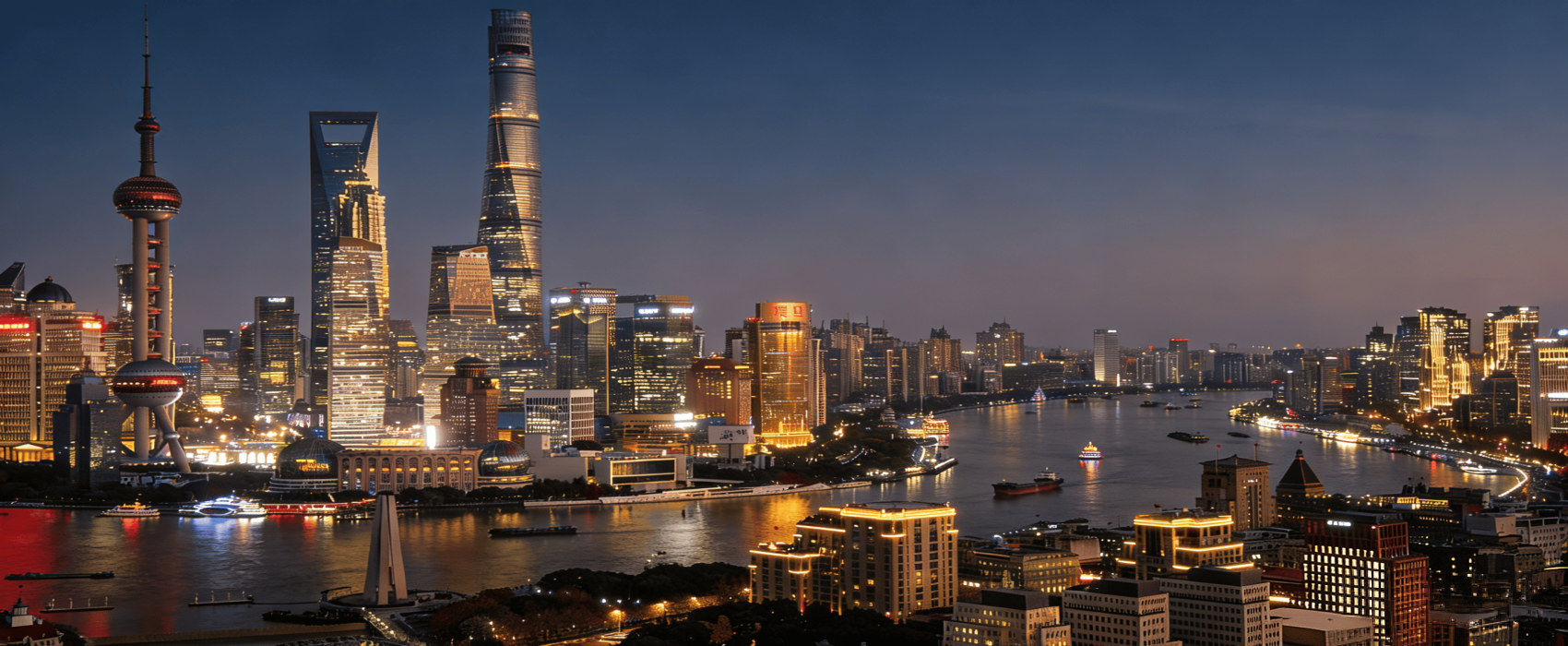
- The Bund: This iconic waterfront promenade is completely free to visit and offers stunning views of the Pudong skyline. Visit in the evening to see the city illuminated.
- Yu Garden Bazaar: While entry to Yu Garden itself costs ¥40, the surrounding bazaar is free to explore and offers a glimpse into traditional Chinese architecture and shopping.
- Shanghai’s Parks: Century Park (¥10 entry fee) and Fuxing Park (free) are great spots for relaxation and people-watching.
- Shanghai Museum: Located in People’s Square, this museum offers free entry and houses an impressive collection of ancient Chinese art and artefacts.
What to Do If Things Go Wrong
If you arrive at an attraction and find unexpected fees, ask staff about discounts for students, seniors, or early bookings. Always check official websites for updated pricing before visiting.
Problem 2: Expensive Dining Options
Why It Happens
Shanghai’s dining scene is diverse, but many restaurants cater to affluent locals and tourists, with meals costing upwards of ¥200 per person in popular areas like Xintiandi. Budget travellers may struggle to find affordable yet authentic food.
The Solution: Seek Out Cheap Eats
Shanghai has a wealth of inexpensive dining options if you know where to look.
- Street Food: Try local favourites like Shengjianbao (pan-fried dumplings) or Jianbing (Chinese crepes) from street vendors, which typically cost ¥5–¥15 per serving.
- Food Courts: Visit food courts in malls such as Global Harbour or Super Brand Mall, where meals range from ¥20–¥50.
- Local Restaurants: Look for small, family-run eateries outside tourist hotspots. A bowl of noodles or fried rice can cost as little as ¥25.
- Convenience Stores: Chains like FamilyMart and Lawson sell ready-to-eat meals for ¥15–¥30, perfect for a quick and cheap bite.
What to Do If Things Go Wrong
If you’re unsure about hygiene standards at street food stalls, opt for busy vendors with high turnover. Use apps like Dianping (Chinese equivalent of Yelp) to find highly rated cheap eateries.
Problem 3: Navigating Shanghai’s Transport System
Why It Happens
Shanghai’s transport network is extensive but can be confusing for first-time visitors. Taxis are convenient but expensive, with fares starting at ¥14 for the first 3 kilometres and increasing by ¥2.5 per kilometre thereafter. Metro tickets are cheaper but require familiarity with routes and ticketing systems.
The Solution: Use Public Transport and Apps
Public transport is the most cost-effective way to get around Shanghai.
- Metro: Shanghai’s metro system is efficient and affordable, with fares ranging from ¥3–¥9 depending on distance. Download the Metro Shanghai app for route planning and real-time updates.
- Buses: Bus fares start at ¥2 and are ideal for short distances. Use Baidu Maps for bus route information.
- Shared Bikes: Apps like Meituan Bike and Hello Bike offer bike-sharing services for as little as ¥1 per 30 minutes.
- Transport Cards: Purchase a Shanghai Public Transport Card (¥20 deposit) to save time and money on metro, bus, and ferry rides.
What to Do If Things Go Wrong
If you get lost, use navigation apps like Google Maps (requires a VPN) or Baidu Maps. Avoid taxis during rush hours to prevent high fares due to traffic delays.
Problem 4: Limited Internet Access
Why It Happens
China’s internet restrictions block popular websites and apps like Google, Facebook, and WhatsApp. This can make it difficult for travellers to access essential services or stay connected with friends and family.
The Solution: Use a VPN and Local Apps
Prepare for restricted internet access by downloading tools and apps before your trip.
- VPN: Install a reliable VPN (e.g., ExpressVPN or NordVPN) before arriving in China to access blocked websites. Plans typically cost ¥60–¥100 per month.
- Local Apps: Use WeChat for messaging and payments, and Baidu Maps for navigation. Both apps are widely used and functional without a VPN.
- Offline Tools: Download offline maps and translation apps like Pleco to avoid relying on internet access.
What to Do If Things Go Wrong
If your VPN stops working, switch to another server or contact customer support. Keep a list of emergency contact numbers and addresses saved offline.
Common Mistakes to Avoid
- Ignoring Metro Etiquette: Avoid eating or drinking on the metro, as it’s prohibited and may result in fines.
- Overpacking: Shanghai’s metro and buses can get crowded, so travel light to avoid inconvenience.
- Exchanging Currency at the Airport: Airport exchange rates are often unfavourable. Use ATMs or exchange money at banks like ICBC or Bank of China for better rates.
Summary
Shanghai offers a wealth of experiences for budget travellers, from free attractions like the Bund to affordable dining options and efficient public transport. By planning ahead, using local apps, and prioritising cost-effective choices, you can enjoy the city without overspending. For personalised travel advice or custom itineraries, feel free to reach out to us for expert guidance.
Frequently Asked Questions
What are some free attractions to visit in Shanghai?
Shanghai offers several free attractions, including the Bund, where you can enjoy stunning views of the city skyline, and the historic Tianzifang arts district for a cultural stroll. You can also visit People’s Park or explore the vibrant streets of the Former French Concession at no cost.
Where can I find cheap eats in Shanghai?
For budget-friendly meals, head to local street food markets like Shouning Road for dumplings and skewers, or try small noodle shops in the city. Many convenience stores also sell affordable bento boxes and snacks starting from 10–20 RMB.
What is the cheapest way to get around Shanghai?
The Shanghai Metro is the most cost-effective way to travel, with fares starting at 3 RMB per ride. You can also use public buses, which cost 2 RMB for most routes. Consider purchasing a Shanghai Public Transportation Card for convenience and small discounts.
How can I save money on accommodation in Shanghai?
Budget travellers can opt for hostels, with dormitory beds starting at around 70 RMB per night. Capsule hotels and budget chains like Hanting or Jinjiang Inn also offer affordable private rooms, typically priced between 150–250 RMB per night.
Are there any free cultural experiences in Shanghai?
Yes, you can visit temples like the Confucian Temple on specific days when entry is free or attend free exhibitions at cultural centres like the Shanghai Urban Planning Exhibition Hall. Additionally, many parks host free tai chi or dance sessions in the mornings.