

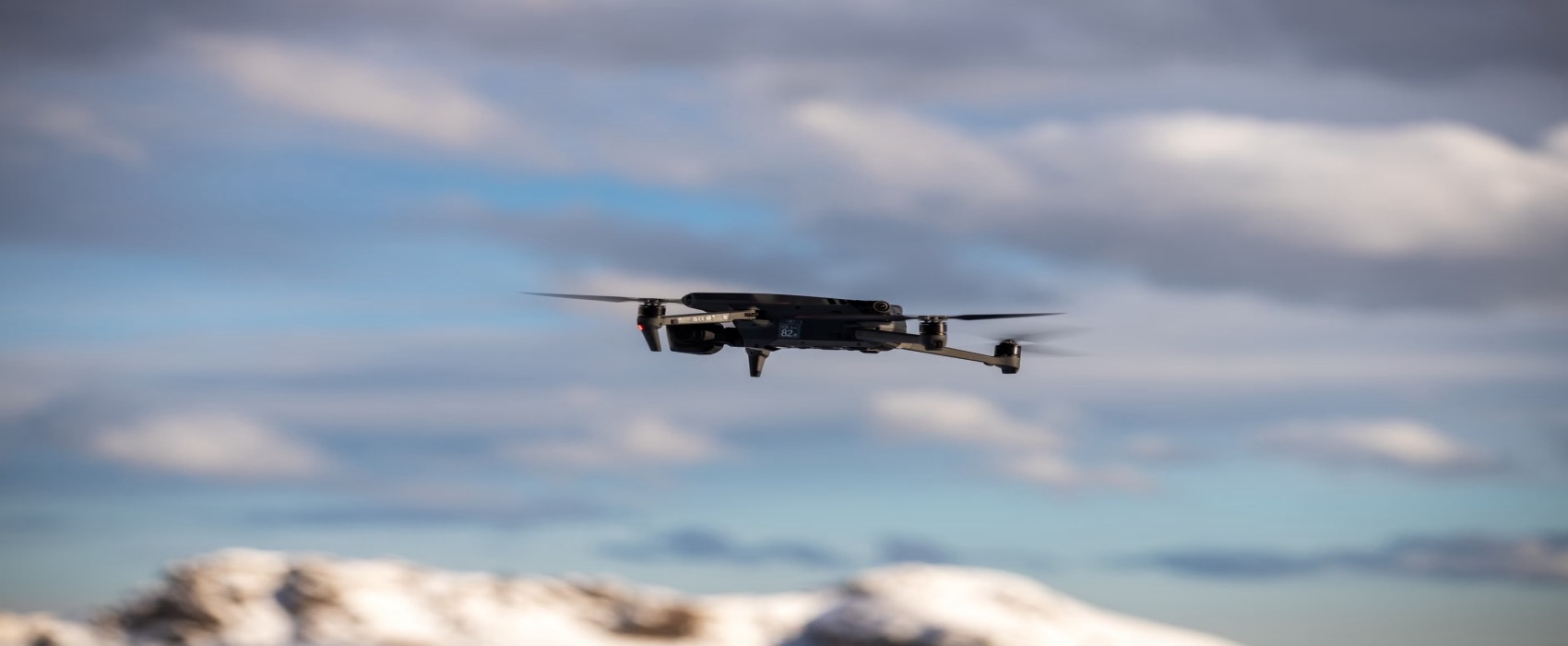

China Photography Guide: Drone Rules, Shooting Locations, and Gear Restrictions
Capturing China’s breathtaking landscapes and vibrant cities is a dream for many photographers, but navigating local rules and restrictions can be challenging. From drone regulations to gear limitations at attractions, understanding the dos and don’ts is essential for a smooth photography experience. This guide provides step-by-step solutions to common problems, including drone licensing, where to shoot legally, and how to avoid issues with your equipment at tourist sites.
Drone Regulations: How to Fly Legally in China
The Problem
Flying drones in China can be complicated due to strict regulations, including licensing requirements, restricted zones, and penalties for violations. Many foreign travellers are unaware of these rules, leading to confiscations or fines.
Why It Happens
China’s drone laws are designed to protect public safety, privacy, and sensitive areas such as military zones. The Civil Aviation Administration of China (CAAC) oversees drone regulations, and local governments enforce additional restrictions.
The Solution
To fly a drone legally in China, follow these steps:
- Register Your Drone:
- Drones weighing over 250 grams must be registered with the CAAC.
- Visit the official CAAC drone registration portal (https://uas.caac.gov.cn) and create an account.
- Provide your passport details, drone specifications, and serial number.
Registration is free, but processing may take up to 3 business days.
Check Restricted Zones:
- Use the DJI FlySafe map or the AirMap app to identify no-fly zones, which include airports, military areas, and government buildings.
Popular tourist destinations like the Forbidden City and Zhangjiajie National Forest Park are often restricted.
Apply for Permission in Sensitive Areas:
- If you wish to fly in a restricted area, contact the local Public Security Bureau (PSB) for approval.
- Submit a written application detailing your flight plan, purpose, and drone model.
Processing fees vary but typically range from RMB 200–500.
Follow Height and Distance Limits:
- Drones must not exceed 120 metres in altitude or fly beyond 500 metres horizontally.
What to Do If Things Go Wrong
If your drone is confiscated, contact the local PSB immediately. Provide proof of registration and explain your flight intentions. Fines for violations can range from RMB 1,000–10,000.
Photography Gear Restrictions at Tourist Attractions
The Problem
Many popular attractions in China impose restrictions on professional photography gear, including tripods, large lenses, and stabilisers. Visitors often face issues when security staff refuse entry or demand additional fees.
Why It Happens
These restrictions aim to manage crowd flow, prevent commercial photography without permits, and protect cultural heritage sites.
The Solution
To avoid gear-related problems, follow these steps:
- Research Attraction Policies:
- Check the official website of the attraction or contact their customer service.
For example, the Forbidden City prohibits tripods and stabilisers, while Jiuzhaigou National Park allows them with prior approval.
Apply for Photography Permits:
- For professional shoots, apply for a permit through the attraction’s administrative office.
Fees vary but typically range from RMB 300–1,000 depending on the location and duration.
Carry Compact Equipment:
- Use lightweight tripods and lenses to avoid attracting attention.
Mirrorless cameras are less likely to be flagged as professional gear.
Be Polite to Security Staff:
- If questioned, explain that your photography is for personal use.
- Avoid arguing, as this can escalate the situation.
Common Mistakes to Avoid
- Bringing oversized equipment without checking policies.
- Attempting to use drones or tripods in clearly restricted areas.
- Ignoring signs or verbal warnings from staff.
Best Locations for Photography in China
The Problem
China offers countless stunning photography spots, but finding locations that are both legal and accessible can be tricky for foreign visitors.
Why It Happens
Some areas require special permits, while others are difficult to access due to transportation limitations or language barriers.
The Solution
Here are five top photography locations and how to access them:
- Zhangjiajie National Forest Park:
- Famous for its towering sandstone pillars, this UNESCO site inspired the movie Avatar.
- Entry fee: RMB 225 (valid for 4 days).
- Open: 7:00 AM–6:00 PM.
Access: Take a high-speed train to Zhangjiajie West Station (approx. RMB 300 from Changsha), then a taxi (RMB 50–100) to the park entrance.
The Great Wall (Mutianyu Section):
- Less crowded than Badaling, Mutianyu offers stunning views and excellent photography opportunities.
- Entry fee: RMB 40. Cable car: RMB 120 (round trip).
- Open: 8:00 AM–5:00 PM.
Access: Take bus 916 Express from Dongzhimen Station in Beijing (RMB 12), then transfer to a local taxi (RMB 50).
Jiuzhaigou National Park:
- Known for its colourful lakes and waterfalls, this park is a photographer’s paradise.
- Entry fee: RMB 169 (off-season) or RMB 299 (peak season).
- Open: 7:00 AM–6:00 PM.
Access: Fly to Jiuzhai Huanglong Airport (approx. RMB 1,000 from Chengdu), then take a shuttle bus (RMB 45) to the park.
Shanghai’s Bund:
- Capture the city’s iconic skyline at night.
- Free entry.
- Best time: 7:00 PM–10:00 PM for illuminated buildings.
Access: Take Metro Line 2 or Line 10 to East Nanjing Road Station.
Yuanyang Rice Terraces:
- Ideal for sunrise and sunset photography, these terraces are a hidden gem in Yunnan Province.
- Entry fee: RMB 100.
- Open: 6:00 AM–6:00 PM.
- Access: Take a bus from Kunming to Yuanyang (approx. RMB 150, 7 hours).
What to Do If Things Go Wrong
If denied entry to a location, ask staff for clarification and check if permits can be obtained on-site. Always carry a copy of your passport and travel itinerary to demonstrate your intentions.
How to Handle Language Barriers
The Problem
Many foreign photographers struggle to communicate with local staff or navigate apps and websites that are only in Chinese.
Why It Happens
English is not widely spoken in China, especially in smaller cities or rural areas. Most official websites and apps are designed for domestic users.
The Solution
- Use Translation Apps:
- Download Google Translate or Pleco for real-time translations.
Enable offline mode to use these apps without internet access.
Hire Local Guides:
- Many attractions offer English-speaking guides for an additional fee (RMB 100–300 per day).
Alternatively, hire freelance guides through platforms like ToursByLocals.
Prepare Key Phrases:
- Learn basic Mandarin phrases such as “Can I take photos here?” (“Wǒ kěyǐ zài zhèlǐ pāizhào ma?”).
Write down important questions in Chinese characters to show staff.
Use International-Friendly Apps:
- For navigation, use Maps.me or Apple Maps, which work reliably in China.
- For transport, use Trip.com or China Train Booking for English-language ticket purchases.
Common Mistakes to Avoid
- Assuming staff will understand English.
- Relying solely on Google Maps, which may not work well in China.
- Forgetting to download offline maps or translation tools.
Summary
Photography in China requires careful planning due to strict drone regulations, gear restrictions, and language barriers. By registering your drone, researching attraction policies, and using translation apps, you can avoid common pitfalls and focus on capturing stunning images. For personalised travel advice, enquire about custom itineraries tailored to your photography needs.
Frequently Asked Questions
What are the legal requirements for flying drones in China?
To fly drones legally in China, you must register your drone with the Civil Aviation Administration of China (CAAC) if it weighs more than 250 grams. Additionally, you need to follow local airspace regulations, avoid restricted areas like airports and military zones, and obtain permission for flights in sensitive locations such as national parks or urban areas.
Do I need a permit to fly a drone in tourist attractions in China?
Yes, many tourist attractions in China require prior permission to fly drones. For example, UNESCO World Heritage Sites and popular landmarks often have strict no-fly policies. Always check with local authorities or the management of the attraction before planning your drone flight.
Are there specific apps to check drone flight zones in China?
Yes, apps like ‘AirMap’ and ‘DJI Fly’ can help you check restricted and permissible drone flight zones in China. These apps provide real-time airspace maps and alerts about no-fly zones, helping you avoid legal issues during your trip.
What are the penalties for illegal drone usage in China?
Illegal drone usage in China can result in fines, confiscation of your equipment, or even legal action depending on the severity of the violation. For example, flying in restricted airspace or near sensitive government buildings can lead to penalties ranging from RMB 1,000 to RMB 100,000.
Are there restrictions on bringing drones into China as a foreign traveller?
There are no specific restrictions on bringing drones into China for personal use, but customs may inspect your equipment. Ensure your drone batteries comply with airline regulations, and be prepared to explain your intended use if questioned by customs officials.