


Exploring China: A New Era of Travel Awaits
China is experiencing a remarkable surge in international tourism, thanks to expanded visa-free policies and improved border facilities. From Beijing’s historic landmarks to Yunnan’s scenic border hubs, the country is opening its doors wider than ever before. Whether you’re drawn to ancient palaces, cultural exchanges, or seamless transit options, China offers a wealth of experiences for global travellers.
Visa-Free Travel: A Game-Changer for International Visitors
China’s visa-free policies have been significantly expanded, making it easier for tourists to explore the country without the hassle of lengthy visa applications. As of December 2024, the 240-hour visa-free transit policy allows travellers from eligible countries to stay in designated cities for up to 10 days. This initiative covers major entry points like Beijing, Shanghai, Guangzhou, and Harbin, among others.
Beijing has taken this policy a step further, offering unilateral visa-free entry for citizens of 38 countries, with a maximum stay of 30 days. This has led to a sharp increase in foreign arrivals. For instance, Beijing Daxing International Airport saw over 211,000 foreign visitors in the first three months of 2025, marking a 67.9% rise compared to the same period in 2024. Such policies are particularly beneficial for short-term travellers who wish to explore China’s cultural and historical treasures without extensive planning.
For those entering China via Harbin Taiping International Airport in Heilongjiang Province, the visa-free transit policy is complemented by streamlined customs procedures. Fast-track lanes and self-service terminals allow passengers to clear immigration in seconds, making Harbin an attractive gateway for visitors exploring northeast China.
Beijing: A Timeless Capital
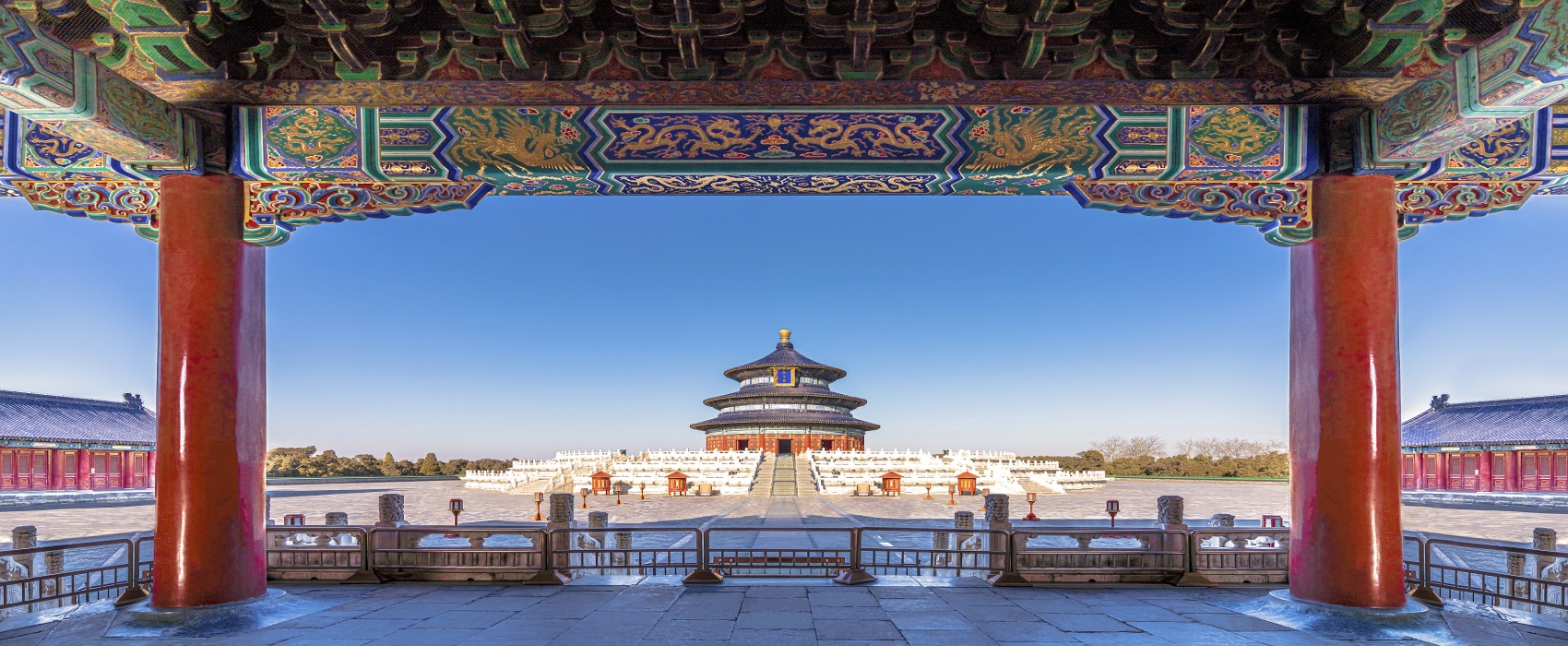
Beijing remains a top destination for international tourists, offering a blend of ancient history and modern development. The Forbidden City, a UNESCO World Heritage Site, is a must-visit. Entry costs ¥60 (£7) during the off-season and ¥80 (£9) during peak months, and visitors can explore its sprawling courtyards and imperial architecture. Nearby, Tiananmen Square and the Temple of Heaven provide further glimpses into China’s rich history.
For nature enthusiasts, the Summer Palace offers a serene escape from the bustling city. Located 15km northwest of central Beijing, it is easily accessible via public transport, with entry fees ranging from ¥30 (£3.50) to ¥60 (£7), depending on the season. The palace’s lakes, gardens, and pavilions are perfect for leisurely exploration.
Beijing’s modern infrastructure ensures smooth travel within the city. The extensive metro system charges as little as ¥3 (£0.35) per ride, making it affordable for tourists to navigate between attractions. Additionally, Beijing Daxing International Airport serves as a major hub for international arrivals, with efficient connections to the city centre via high-speed rail and shuttle buses.
Yunnan: Gateway to Southeast Asia
Southwest China’s Yunnan Province is emerging as a key destination for cross-border tourism. The Kunming-Mohan Land Port, situated along the China-Laos border, has become a vital hub for travellers exploring Southeast Asia. In 2024 alone, over 2.8 million people from 117 countries passed through the Mohan border checkpoint, highlighting its growing importance.
The region’s visa-free entry for ASEAN tourists has further boosted its appeal. The first ASEAN tour group entered China via this route in early 2025, marking a milestone in regional tourism cooperation. Mohan’s border facilities are equipped with special channels for international students, making it easier for young travellers to experience cultural exchanges.
Yunnan’s natural beauty is another draw. Destinations like Lijiang and Shangri-La offer breathtaking landscapes, including snow-capped mountains and ancient towns. Visitors can take domestic flights from Kunming to these locations, with fares starting at ¥300 (£35) one-way. Alternatively, high-speed trains connect Kunming to nearby cities, providing scenic views along the journey.
Harbin: A Winter Wonderland
Harbin, the capital of Heilongjiang Province, is renowned for its winter attractions, particularly the Harbin Ice and Snow Festival. Held annually from December to February, this festival features elaborate ice sculptures and illuminated snow castles. Entry fees vary by venue, with tickets to the main exhibition area costing around ¥330 (£38).
The city’s visa-free transit policy makes it an ideal destination for short-term visitors. Harbin Taiping International Airport has enhanced its immigration facilities, increasing manual verification lanes from eight to 12 and adding express lanes for faster processing. These improvements ensure a seamless arrival experience for tourists eager to explore Harbin’s unique offerings.
Beyond the festival, Harbin boasts a rich cultural heritage. The city’s Russian influence is evident in landmarks like Saint Sophia Cathedral, which charges a modest entry fee of ¥20 (£2.30). Zhongyang Street, a pedestrian-friendly area lined with European-style architecture, is perfect for leisurely strolls and sampling local delicacies such as Harbin sausages and candied fruits.
Practical Tips for Travelling to China
Navigating China’s vast landscape requires careful planning. International flights to major cities like Beijing, Shanghai, and Guangzhou are widely available, with return fares from Europe or North America typically ranging from £500–£800 ($600–$950). Domestic travel is equally convenient, thanks to an extensive network of high-speed trains and budget airlines.
Currency exchange is straightforward, with ATMs and currency exchange counters available at airports and city centres. The Chinese yuan (CNY) is the official currency, and most transactions are cashless, relying on mobile payment apps like Alipay and WeChat Pay. However, international tourists may need to carry cash for smaller vendors and markets.
Language barriers can be a challenge, but major tourist areas often have English signage and translation services. Downloading offline maps and translation apps can further ease communication. Additionally, hiring local guides or joining organised tours ensures a more immersive experience, especially in remote regions.
Summary
China’s expanded visa-free policies and improved border facilities are transforming the country into a top destination for international travellers. From Beijing’s historic landmarks to Yunnan’s scenic border hubs and Harbin’s winter festivities, there’s something for everyone to enjoy.
Ready to explore China’s diverse offerings? Contact us today to design a custom itinerary tailored to your interests and travel preferences.
Frequently Asked Questions
What is China’s 240-hour visa-free transit policy?
China’s 240-hour visa-free transit policy allows travellers from eligible countries to stay in certain cities for up to six days without a visa. This policy is ideal for those transiting through China and wishing to explore cities like Beijing, Shanghai, or Guangzhou during their layover.
Which countries are included in China’s unilateral visa-free policy?
China’s unilateral visa-free policy now includes 38 countries, allowing citizens from these nations to stay in the country for up to 30 days. This expansion aims to make travel to China more accessible and convenient for international visitors.
What are the main entry points for international travellers to China?
Major entry points for international travellers include Beijing Daxing International Airport, Shanghai Pudong International Airport, and Guangzhou Baiyun International Airport. Additionally, land ports like the Kunming-Mohan Land Port in Yunnan are becoming increasingly popular for cross-border travel.
What are some popular destinations for foreign tourists in China?
Foreign tourists often visit iconic sites such as the Forbidden City in Beijing, the Great Wall, and the Terracotta Army in Xi’an. For those seeking natural beauty, destinations like Yunnan and Zhangjiajie offer stunning landscapes and unique cultural experiences.
How has China improved its travel policies recently?
China has introduced measures such as the 240-hour visa-free transit policy and expanded its visa-free entry program to 38 countries. These initiatives aim to attract more international visitors and make travel to China more seamless and enjoyable.