


Discover Jiangxi: A Blend of Nature, Culture, and Adventure
Nestled in eastern China, Jiangxi Province offers a captivating mix of natural beauty and cultural heritage, making it an ideal destination for international travellers seeking authentic rural experiences. From exhilarating outdoor activities like canyon rafting to serene moments in ancient villages, Jiangxi provides a refreshing escape from urban life. Whether you’re an adventure enthusiast or a culture seeker, this lesser-known gem of China promises a journey filled with discovery and wonder.
Exploring Fuzhou: The Gateway to Jiangxi’s Rural Charm
Fuzhou, the capital of Jiangxi Province, serves as the perfect starting point for exploring the region’s rural treasures. Located approximately 700 kilometres southwest of Shanghai, Fuzhou is easily accessible by high-speed train, with tickets costing around 300–400 RMB (£33–£44/$41–$55) from major cities like Shanghai or Guangzhou. The journey takes about 4–6 hours, offering scenic views of China’s countryside along the way.
Once in Fuzhou, visitors can immerse themselves in the city’s unique blend of modernity and tradition. A stroll through the historic Linchuan Old Town reveals well-preserved Ming and Qing Dynasty architecture, while the city’s parks and tea houses provide a tranquil retreat. For those interested in local cuisine, Fuzhou is known for its freshwater fish dishes and rice noodles, which can be enjoyed at family-run eateries for as little as 30 RMB (£3.30/$4.10) per meal.
Fuzhou is also a gateway to some of Jiangxi’s most breathtaking rural landscapes. From here, it’s a short drive to the surrounding mountains, rivers, and ancient villages that define the province’s charm.
Thrills and Tranquillity: Outdoor Adventures in Jiangxi
Jiangxi’s natural beauty is a playground for outdoor enthusiasts, offering activities that range from adrenaline-pumping to serene. One of the most popular experiences is canyon rafting, particularly in the lush valleys near Fuzhou. These guided rafting tours typically cost around 150 RMB (£16.50/$21) per person and last 2–3 hours. As you navigate the rapids, you’ll be surrounded by verdant cliffs and crystal-clear waters, making it a thrilling yet picturesque adventure.
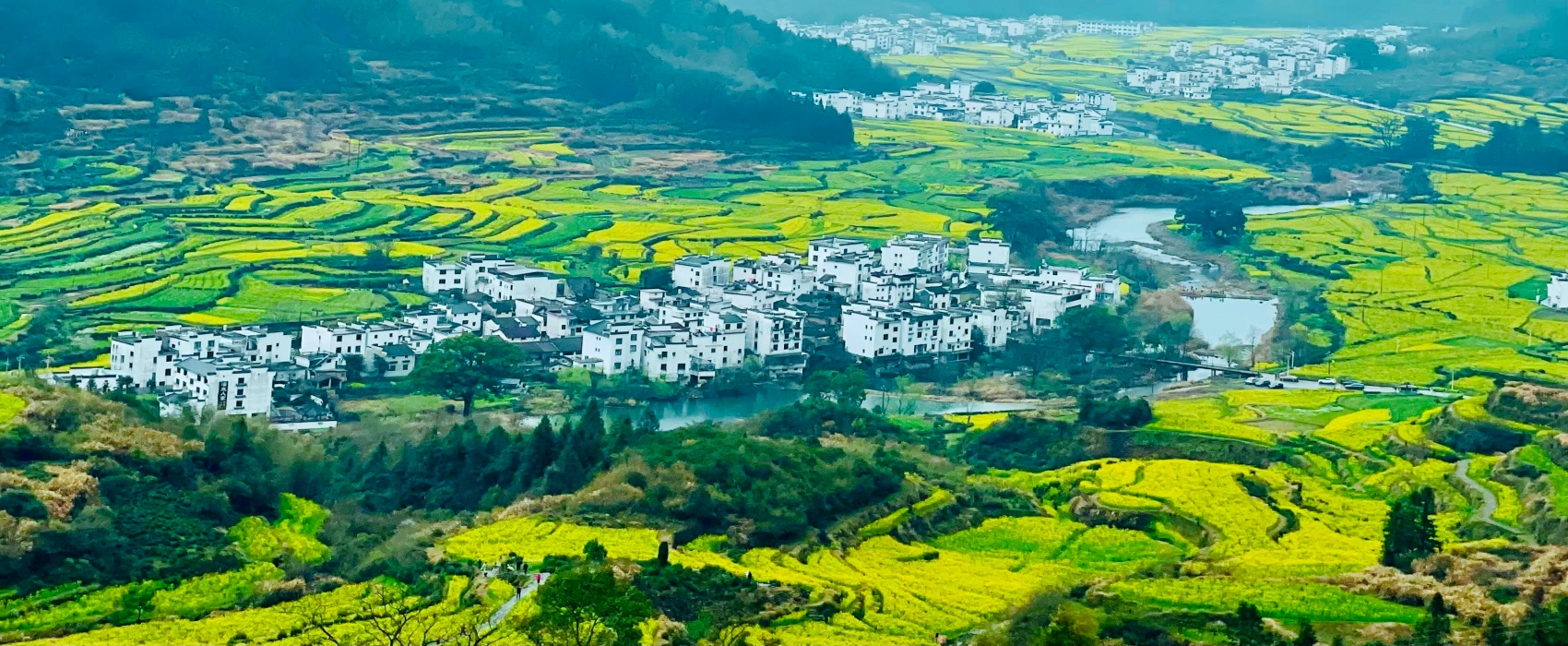
For those who prefer a more relaxed pace, Jiangxi’s hiking trails offer an opportunity to connect with nature. The Wuyuan area, often referred to as “China’s most beautiful countryside,” is a must-visit. Located about 250 kilometres north of Fuzhou, Wuyuan is easily accessible by train or car. The region is famous for its terraced fields, ancient villages, and vibrant rapeseed flower fields, which bloom in a sea of yellow every spring. Entry to some of the villages, such as Likeng and Xiaoqi, costs around 60–120 RMB (£6.60–£13/$8–$16).
Another highlight is the Sanqing Mountain, a UNESCO World Heritage Site located 150 kilometres east of Fuzhou. Known for its granite peaks and Taoist cultural significance, the mountain offers cable car rides for 70 RMB (£7.70/$9.50) one way, or 120 RMB (£13/$16) for a round trip. Once at the top, visitors can explore well-marked trails and enjoy panoramic views of the surrounding landscape.
A Journey Through Time: Jiangxi’s Ancient Villages
Jiangxi is home to some of China’s most picturesque and historically significant villages, offering a glimpse into the country’s rich cultural heritage. One such village is Jingdezhen, often referred to as the “Porcelain Capital of China.” Located about 200 kilometres northeast of Fuzhou, Jingdezhen has been producing fine ceramics for over 1,000 years. Visitors can explore the Jingdezhen Ceramic History Museum, where entry costs 50 RMB (£5.50/$7), or try their hand at pottery-making workshops offered by local artisans.
Another must-see is the village of Wuyuan, which boasts a collection of well-preserved ancient settlements. Among them, Likeng Village stands out for its whitewashed houses, stone bridges, and narrow cobblestone streets. The village is a living museum, offering a window into traditional Chinese rural life. Guided tours are available for around 100 RMB (£11/$14) per person, providing insights into the area’s history and culture.
For a truly unique experience, consider visiting the ancient village of Yantian. Known for its terraced fields and traditional Hakka architecture, Yantian offers a peaceful retreat from the hustle and bustle of modern life. The village is particularly stunning during the rice planting and harvesting seasons, when the fields are either lush green or golden yellow.
Unique Cultural Experiences in Jiangxi
Jiangxi is not just about natural beauty; it’s also a hub of cultural experiences that offer a deeper understanding of Chinese traditions. One of the most unique activities is a ride on the cliffside bullet train that connects Fuzhou to other parts of Jiangxi. This engineering marvel offers breathtaking views of the province’s rugged terrain and lush forests, making the journey as memorable as the destination. Tickets for the bullet train vary depending on the route but generally range from 100–300 RMB (£11–£33/$14–$41).
Another cultural highlight is the region’s tea culture. Jiangxi is known for its high-quality green teas, such as Lushan Yunwu and Wuyuan Mingmei. Many tea plantations in the province offer guided tours and tea-tasting sessions, allowing visitors to learn about the intricate process of tea production. Prices for these experiences typically start at 50 RMB (£5.50/$7) per person.
For history enthusiasts, the Tengwang Pavilion in Nanchang, the provincial capital, is a must-visit. This iconic structure, originally built in 653 AD, is one of the Four Great Towers of China. The pavilion offers stunning views of the Gan River and hosts regular cultural performances, including traditional Chinese music and dance. Entry costs 50 RMB (£5.50/$7), and the pavilion is open daily from 8:00 AM to 5:30 PM.
Practical Tips for Visiting Jiangxi
Travelling to Jiangxi is relatively straightforward, thanks to its well-connected transport network. The province is served by several airports, including Nanchang Changbei International Airport and Jingdezhen Luojia Airport, with flights from major cities like Beijing, Shanghai, and Guangzhou. Domestic flights typically cost between 500–1,000 RMB (£55–£110/$68–$137) one way.
For international travellers, a tourist visa is required to enter China. The standard single-entry visa costs £151/$185 and can be obtained from Chinese embassies or consulates in your home country. It’s advisable to apply at least one month before your planned travel date.
When it comes to accommodation, Jiangxi offers a range of options to suit different budgets. In Fuzhou, mid-range hotels cost around 200–400 RMB (£22–£44/$27–$55) per night, while luxury options can go up to 1,000 RMB (£110/$137). In rural areas, guesthouses and homestays are popular choices, with prices starting at 100 RMB (£11/$14) per night.
The best time to visit Jiangxi is during spring (March to May) and autumn (September to November), when the weather is mild, and the landscapes are at their most vibrant. Summers can be hot and humid, while winters are generally cold but manageable.
A Journey Worth Taking
Jiangxi Province offers an unparalleled blend of natural beauty, cultural heritage, and outdoor adventure, making it a must-visit destination for travellers looking to experience a different side of China. From the bustling streets of Fuzhou to the tranquil villages of Wuyuan and the majestic peaks of Sanqing Mountain, Jiangxi has something for everyone.
Ready to explore the wonders of Jiangxi? Contact us today to craft a personalised itinerary that will make your journey unforgettable.
Frequently Asked Questions
What are the top outdoor activities to try in Jiangxi Province?
Jiangxi offers a range of outdoor adventures, including canyon rafting, hiking in the lush mountains, and exploring scenic tea plantations. For thrill-seekers, the cliffside bullet train rides through the province provide breathtaking views and a unique travel experience.
What cultural experiences can visitors enjoy in Jiangxi?
Jiangxi is rich in cultural heritage, with highlights including traditional porcelain-making in Jingdezhen, ancient villages like Wuyuan, and historic temples. Visitors can also experience local festivals and sample authentic Jiangxi cuisine.
When is the best time to visit Jiangxi for nature and adventure activities?
The best time to visit Jiangxi is during spring (March to May) and autumn (September to November) when the weather is mild and ideal for outdoor activities. These seasons also showcase the region’s natural beauty, from blooming flowers to vibrant autumn foliage.
How can international travellers reach Jiangxi Province?
Jiangxi is accessible via several major cities in China. Travellers can fly into Nanchang Changbei International Airport or take high-speed trains from cities like Shanghai, Guangzhou, or Beijing. Local transport options, including buses and trains, make it easy to explore the province.
Are there any unique attractions in Fuzhou City, Jiangxi?
Fuzhou City in Jiangxi is known for its serene natural landscapes and cultural sites. Highlights include the cliffside bullet train experience, ancient pagodas, and nearby rafting adventures in the canyons. The city also offers a glimpse into rural life with its traditional villages and local crafts.