


Exploring Modern China: Beyond the Great Wall
China’s inbound tourism is undergoing a transformation, with international visitors increasingly seeking immersive, lifestyle-focused experiences over traditional sightseeing. From bustling urban hubs to hands-on cultural activities, the country offers a fresh perspective for travellers looking to explore beyond its iconic landmarks. Expanded visa-free policies, cutting-edge technology, and social media trends are driving this shift, making China more accessible and engaging than ever before.
Visa-Free Travel: Opening Doors to Exploration
China’s visa-free entry policies are reshaping the way international tourists experience the country. In 2026, 77.7% of foreign arrivals entered visa-free, according to the National Immigration Administration. This streamlined process allows visitors from select countries to explore China without the hassle of lengthy visa applications, encouraging spontaneous travel and longer stays.
For example, cities like Shanghai, Beijing, and Guangzhou offer 144-hour visa-free transit for travellers from over 50 countries, including the UK, the US, and Australia. This policy is ideal for those planning short trips or multi-city itineraries. Additionally, Hainan Island provides visa-free access for tourists from 59 countries, making it a popular destination for beachgoers and nature enthusiasts.
Travellers can easily access major cities through international airports such as Beijing Capital International Airport, Shanghai Pudong International Airport, and Guangzhou Baiyun International Airport. High-speed rail networks further simplify travel between cities, with tickets starting at around £20 for short routes like Shanghai to Hangzhou.
Urban Adventures: Discovering China’s Modern Cities
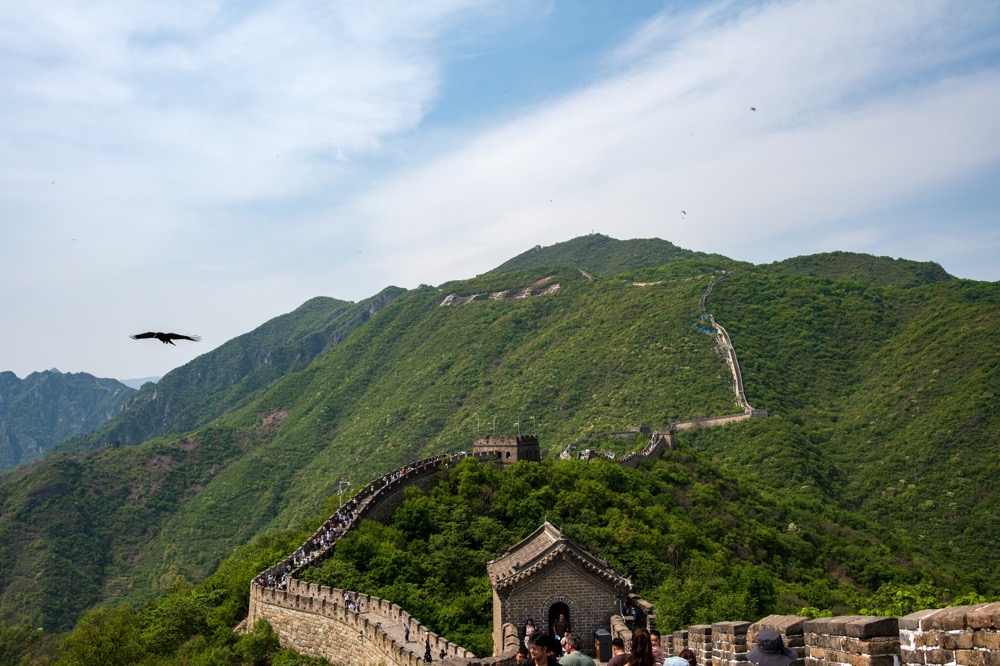
While historical landmarks like the Great Wall and Forbidden City remain must-see attractions, modern travellers are increasingly drawn to China’s vibrant urban centres. Cities like Shanghai, Shenzhen, and Chongqing offer unique experiences that blend tradition with innovation.
Shanghai, often dubbed the “Paris of the East,” is a hub for architecture, shopping, and nightlife. The Bund, a waterfront promenade, showcases stunning colonial-era buildings alongside futuristic skyscrapers like the iconic Oriental Pearl Tower. Visitors can explore the historic alleys of Tianzifang, known for its artsy boutiques and cafes, or visit one of the city’s traditional bathhouses for a glimpse into local culture. Entry fees for attractions such as the Shanghai Tower Observatory start at £20, while bubble tea from local vendors costs as little as £2.
In Shenzhen, a city renowned for its technological advancements, visitors can experience cutting-edge innovations firsthand. Shenzhen Talent Park offers drone food delivery services, providing a glimpse into the future of urban living. The city is also home to Huaqiangbei, a sprawling electronics market where tech enthusiasts can find everything from gadgets to components.
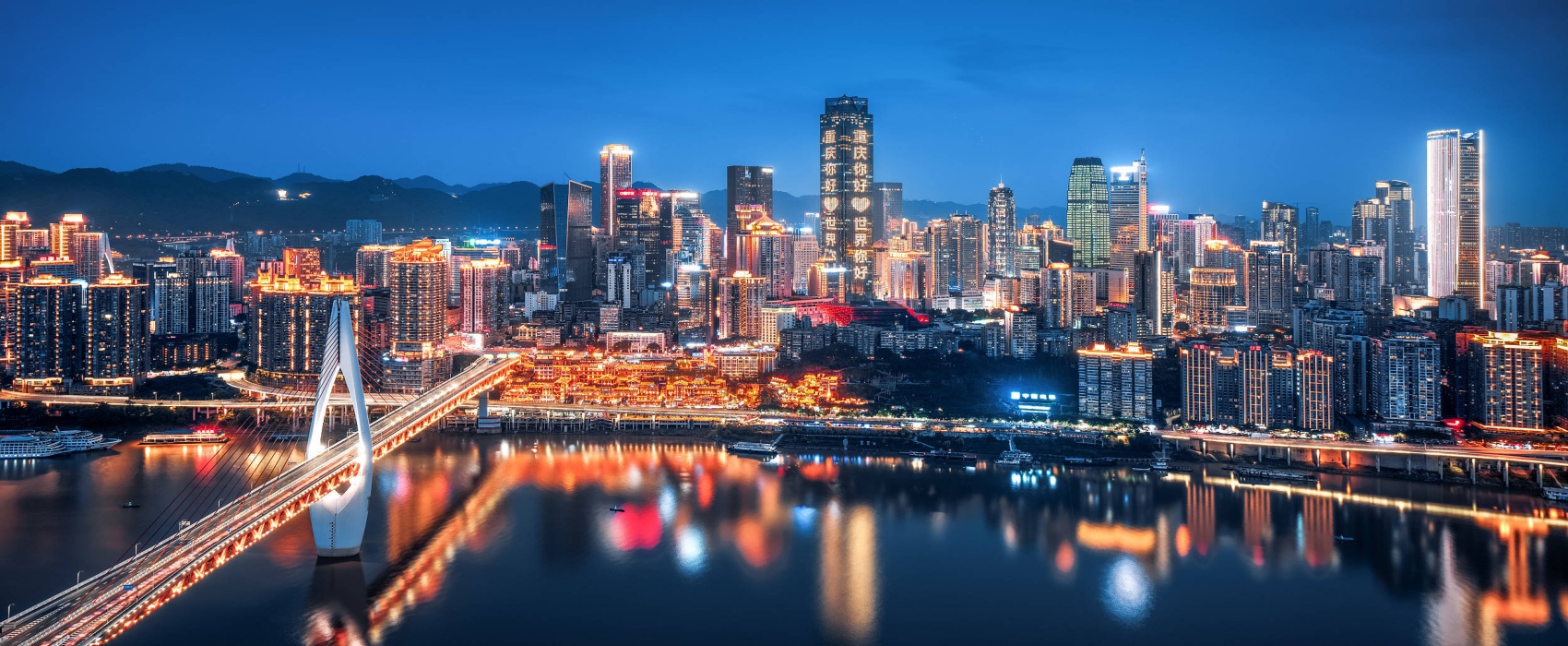
Chongqing, famous for its dramatic vertical skyline, offers a unique urban experience. The city’s neon-lit architecture and bustling streets are a photographer’s dream. Visitors can ride the Yangtze River Cableway for panoramic views or explore Ciqikou Ancient Town, where traditional teahouses and street food stalls line the narrow alleys.
Immersive Cultural Experiences
China’s rich cultural heritage is best experienced through hands-on activities that allow travellers to connect with local traditions. From ancient cities to culinary workshops, there are countless ways to immerse yourself in the country’s vibrant culture.
In Xi’an, home to the Terracotta Army, visitors can rent Hanfu (traditional Chinese clothing) for styled photo sessions in the city’s historic districts. Prices for Hanfu rentals start at approximately £10 per hour. Luoyang, another ancient city, offers opportunities to participate in Gongfu tea ceremonies, where guests learn the art of brewing and serving tea.
Food lovers will find plenty to savour in China’s bustling markets and street food stalls. Cities like Chengdu and Guangzhou are famous for their culinary scenes, offering everything from spicy hotpot to dim sum. Cooking workshops are increasingly popular, allowing visitors to learn how to prepare dishes like dumplings and Sichuan-style stir-fries. Classes typically cost between £30 and £50 per person.
Nature and Outdoor Exploration
Beyond its cities, China boasts breathtaking natural landscapes that are perfect for outdoor enthusiasts. From towering mountains to serene lakes, the country’s diverse geography offers something for every type of traveller.
Huangshan, or the Yellow Mountains, is a UNESCO World Heritage Site known for its dramatic peaks and ancient pine trees. The area is accessible via high-speed train from Shanghai, with tickets starting at £25. Visitors can hike the trails, ride cable cars, or stay overnight in mountain lodges to catch the sunrise. Entrance fees to the park are approximately £20.
Zhangjiajie National Forest Park, the inspiration for the floating mountains in the film Avatar, features towering sandstone pillars and lush greenery. The park is located in Hunan Province and can be reached via Zhangjiajie Hehua Airport. Admission costs around £25, and visitors can explore the area through hiking trails or glass-bottomed walkways.
For a more tranquil experience, West Lake in Hangzhou offers picturesque views and a peaceful atmosphere. Visitors can rent bicycles to explore the lakeside paths or take a boat ride to see the famous Three Pools Mirroring the Moon. Boat rentals start at £10 per hour.
The Role of Technology in Travel
Technology is playing a pivotal role in shaping the way international tourists navigate China. Real-time AI translation tools and digital navigation apps have made it easier than ever for visitors to communicate and explore independently.
Apps like Baidu Maps and WeChat are essential for navigating Chinese cities, offering features such as public transport schedules and restaurant recommendations. Many attractions now accept mobile payments, making transactions seamless for foreign travellers.
Social media platforms like TikTok and Instagram are also influencing travel trends. Viral hashtags such as #ChinaTravel showcase unique destinations and experiences, inspiring visitors to venture off the beaten path.
Planning Your Trip
China’s extensive transport network makes it easy to plan multi-city itineraries. High-speed trains connect major cities, while domestic flights offer quick access to remote regions. For example, a flight from Beijing to Chengdu takes just over two hours and costs around £100.
Accommodation options range from budget hostels to luxury hotels. Short-term rental platforms like Tujia are popular among international visitors, offering stays in over 100 cities. Prices vary depending on location and amenities, but budget options start at £20 per night.
When planning your trip, consider the best time to visit based on your interests. Spring and autumn are ideal for outdoor activities, while winter offers unique experiences like Harbin’s Ice and Snow Festival.
Summary
China’s inbound tourism is evolving, offering visitors a wealth of opportunities to explore its modern cities, immerse themselves in local culture, and discover stunning natural landscapes. With expanded visa-free policies and advanced technology, travelling to China has never been more accessible or engaging.
Ready to experience the new face of China? Contact us today to create a custom itinerary tailored to your interests and travel style.
Frequently Asked Questions
What are some modern attractions to explore in China beyond the Great Wall?
In addition to iconic landmarks, modern attractions like Shanghai’s Bund, the futuristic skyline of Shenzhen, and the vibrant art districts of Beijing offer a contemporary perspective on China. Visitors can also explore innovative tech hubs, trendy cafes, and urban green spaces that reflect the country’s modern transformation.
What are the new visa-free entry policies for visiting China?
China has expanded its visa-free entry policies, allowing visitors from certain countries to stay for up to 144 hours in designated cities. This policy is designed to make short-term travel more convenient, especially for those exploring major urban centres like Beijing, Shanghai, and Guangzhou.
How are younger travellers exploring China differently?
Younger travellers are increasingly using social media and AI tools to discover unique experiences in China. From hidden street food markets to off-the-beaten-path cultural festivals, they are prioritising personalised, authentic experiences over traditional group tours.
What are some emerging trends in China’s inbound tourism market?
Emerging trends include a focus on eco-tourism, digital travel planning, and interest in contemporary Chinese culture. Many visitors are also drawn to interactive experiences like tech-driven museums, immersive art installations, and local workshops.